

 Back to Blogs
How Much Do New Windows Really Save on Energy?
Key Takeaways
-
Energy-efficient windows reduce the cost of heating and cooling by up to 13% per year
-
Low-emissivity coatings, U-factor, and Solar Heat Gain Coefficient help measure a window’s energy efficiency
-
Vinyl frames with quality systems and professional installation are recommended
-
ENERGY STAR certified windows are ideal for Eastern Tennessee’s climate
-
Double-pane windows are recommended, but additional layers are available for additional performance
-
Window style and directional orientation also affect energy efficiency
Most homeowners researching replacement windows already know that energy-efficient windows are better than what they have. The real question is: Will I notice a difference on my energy bill, and is the investment actually worth it?
The answer? It depends. Savings vary based on what you're replacing, how your home is oriented, and which windows you choose. But for most homeowners in Knoxville and across East Tennessee with older or underperforming windows, there is a measurable difference that adds up over time. Here's what you need to know to understand what kind of savings are actually on the table for your home.
Why old windows cost you more than you realize

Most homeowners underestimate how much energy is escaping through their windows, through obvious drafts, radiant heat transfer through the glass itself, and failed seals that let conditioned air seep out around the frame.
The U.S. Department of Energy estimates that heat gain and heat loss through windows account for 25 to 30 percent of a home's residential heating and cooling energy use. That's a major share of your energy bill being influenced by a feature most people don't think about until something goes obviously wrong.
In East Tennessee specifically, the problem shows up in two distinct ways:
- Hot, humid summers mean solar heat pouring through south- and west-facing windows drives up cooling costs for months at a time
- Mild but still chilly winters mean heat loss through single-pane or failed double-pane glass adds unnecessary load to your heating system
If certain rooms in your home won't cool down, your HVAC seems to run constantly, or you can feel warmth radiating off the glass on a summer afternoon, your windows are costing you more than they should.
What actually makes a window energy efficient?

Before talking about savings, it helps to understand what you're actually buying. The energy performance of a modern replacement window comes down to a few key factors.
Low-E coatings and gas fills
Low-emissivity (Low-E) coatings are microscopically thin metallic layers applied to glass surfaces. They reflect infrared heat while still allowing visible light through, which means they keep solar heat outside in summer and retain your home's interior heat in winter. At the same time, argon gas fills – a dense, low-conductivity gas sealed between the panes – significantly slows heat transfer through the glass. Together, these two features do most of the heavy lifting in a modern energy-efficient window.
U-factor and SHGC

Two numbers appear on the NFRC label of every rated window, and both matter for energy performance.
- U-factor measures how well a window resists heat loss – lower is better, and it's most relevant for winter performance
- SHGC, or Solar Heat Gain Coefficient, measures how much solar heat passes through the glass – lower means less heat admitted, which is critical for summer performance in a climate like Knoxville's
ENERGY STAR certification for the Southern climate zone requires specific thresholds on both. Windows with this label have been independently verified to meet the standard for the conditions East Tennessee homeowners actually deal with.
Frame materials
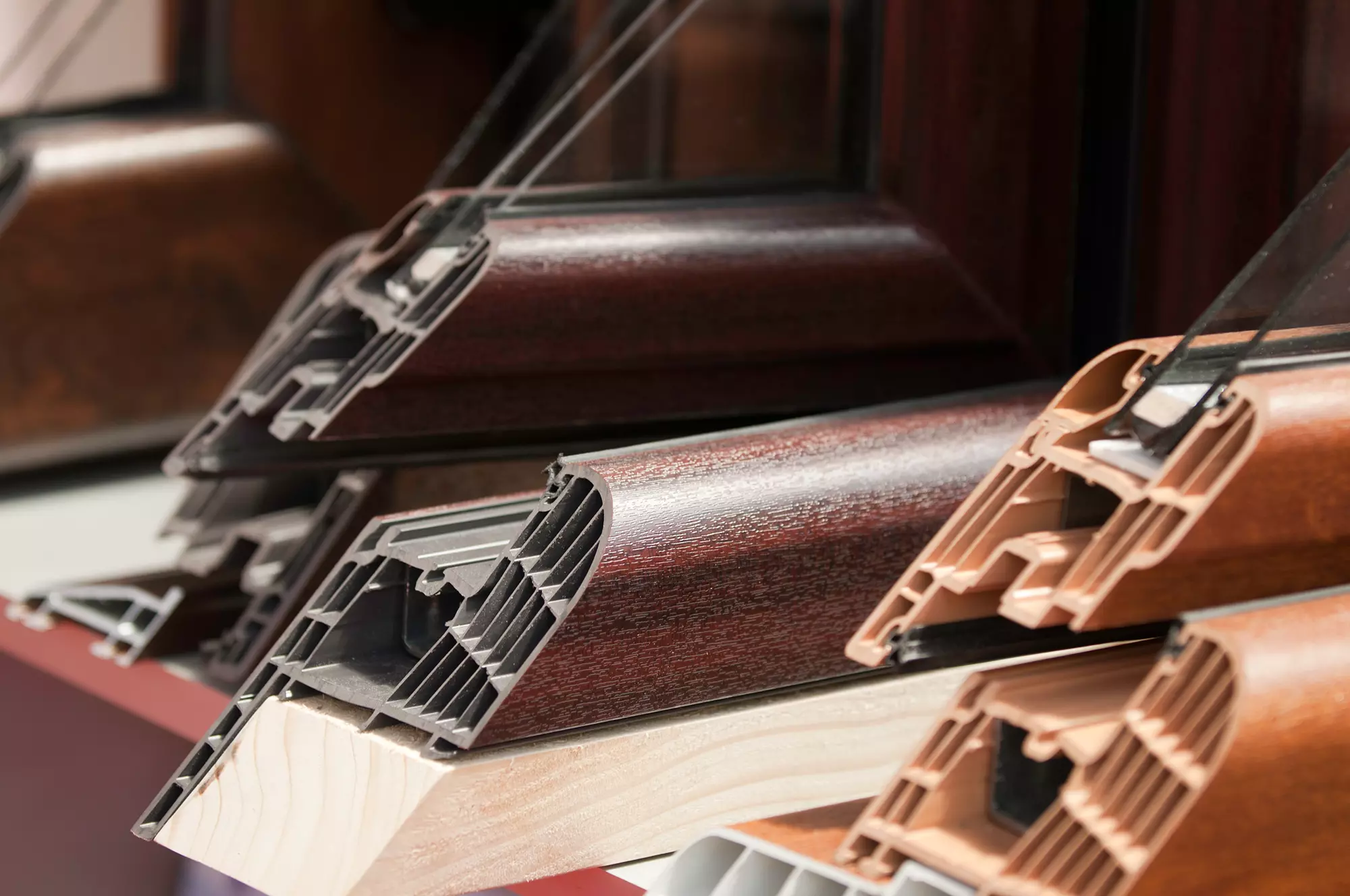
Vinyl window frames are natural insulators and the right choice for most Knoxville homes. Unlike aluminum, vinyl doesn't conduct heat or cold readily, which means the frame itself isn't working against the glass. Frame quality matters too; multi-chambered vinyl frames with warm-edge spacer systems outperform simpler designs on energy performance, and that difference shows up in noticeable indoor comfort.
Installation quality

Even the best window can underperform if it's poorly installed. Air leaks around the frame, malfunctioning seals, and misaligned sashes all compromise energy performance in ways that no glass package can compensate for. Professional installation with proper sealing and flashing is as important as the window itself – it's the difference between a window that performs on paper and one that performs in your home.
How much can new windows actually save?
That depends on what you're replacing and how many windows you're upgrading.
The DOE estimates that replacing single-pane windows with ENERGY STAR certified windows can save up to 13% on heating and cooling costs per year, depending on climate, home size, and the number of windows replaced. In practice, this means that a small home replacing a handful of windows will see different results than a large home doing a full replacement.
For homes replacing older double-pane windows with failed seals, savings are still meaningful but a little more modest. The baseline performance of a double-pane window is higher than that of a single-pane window, so the improvement won’t be as dramatic. But for homes still running on original single-pane glass – and there are plenty of them across Knox County and the surrounding counties in East Tennessee – the savings potential is at the higher end of that range.
Don’t forget about savings beyond the monthly energy bill. Replacement windows reduce strain on your HVAC system over time, which translates to fewer repairs and a longer equipment lifespan. And a more consistently comfortable home – with rooms that actually cool down in summer and stay warm in winter – is a quality-of-life improvement that doesn't show up in the math but matters just as much.
Which windows offer the best energy savings?
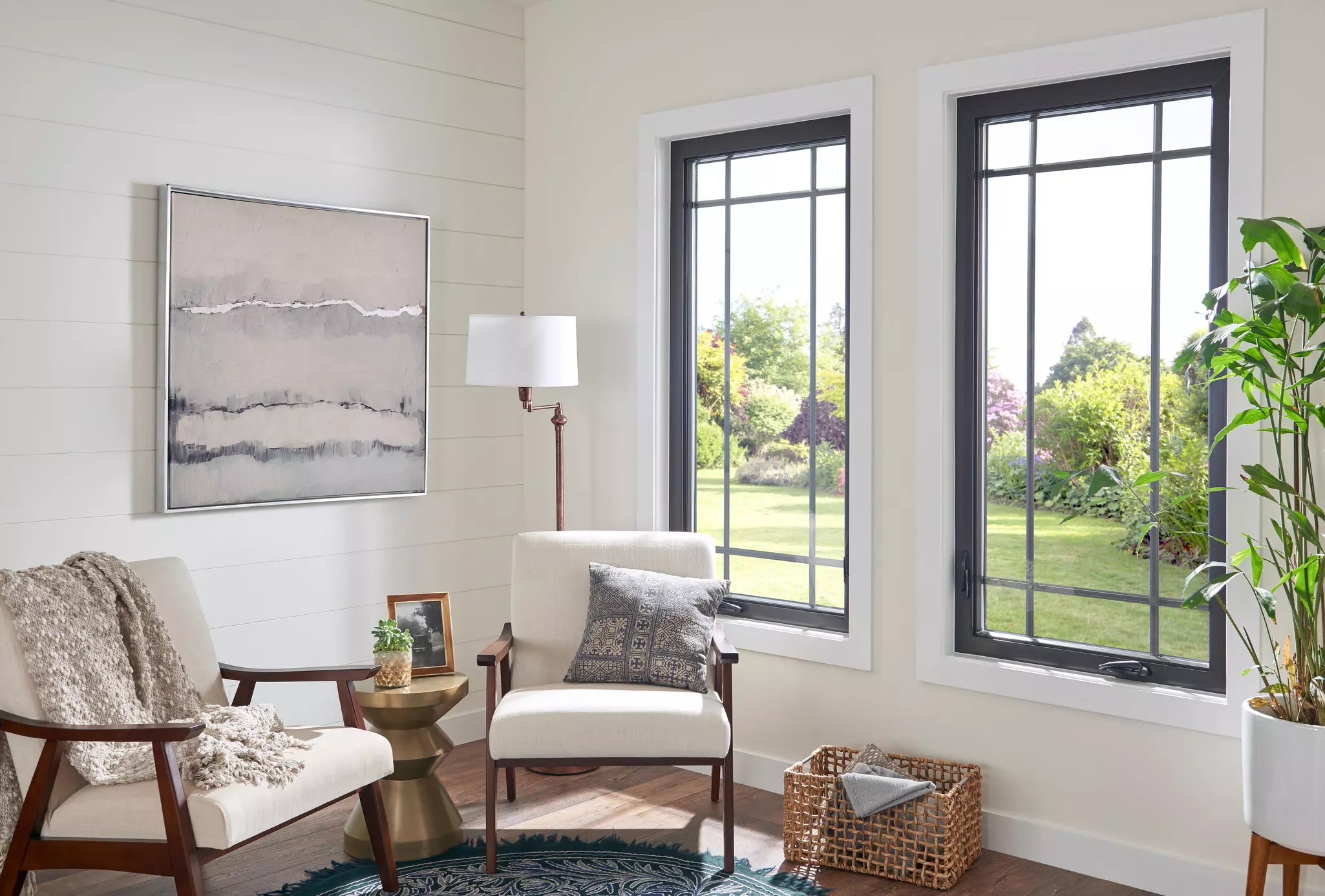
So, if window replacements can save you money, it’s a good idea to get the best bang for your buck. Here’s what you should know as you start your renovation research.
ENERGY STAR certified double-pane windows
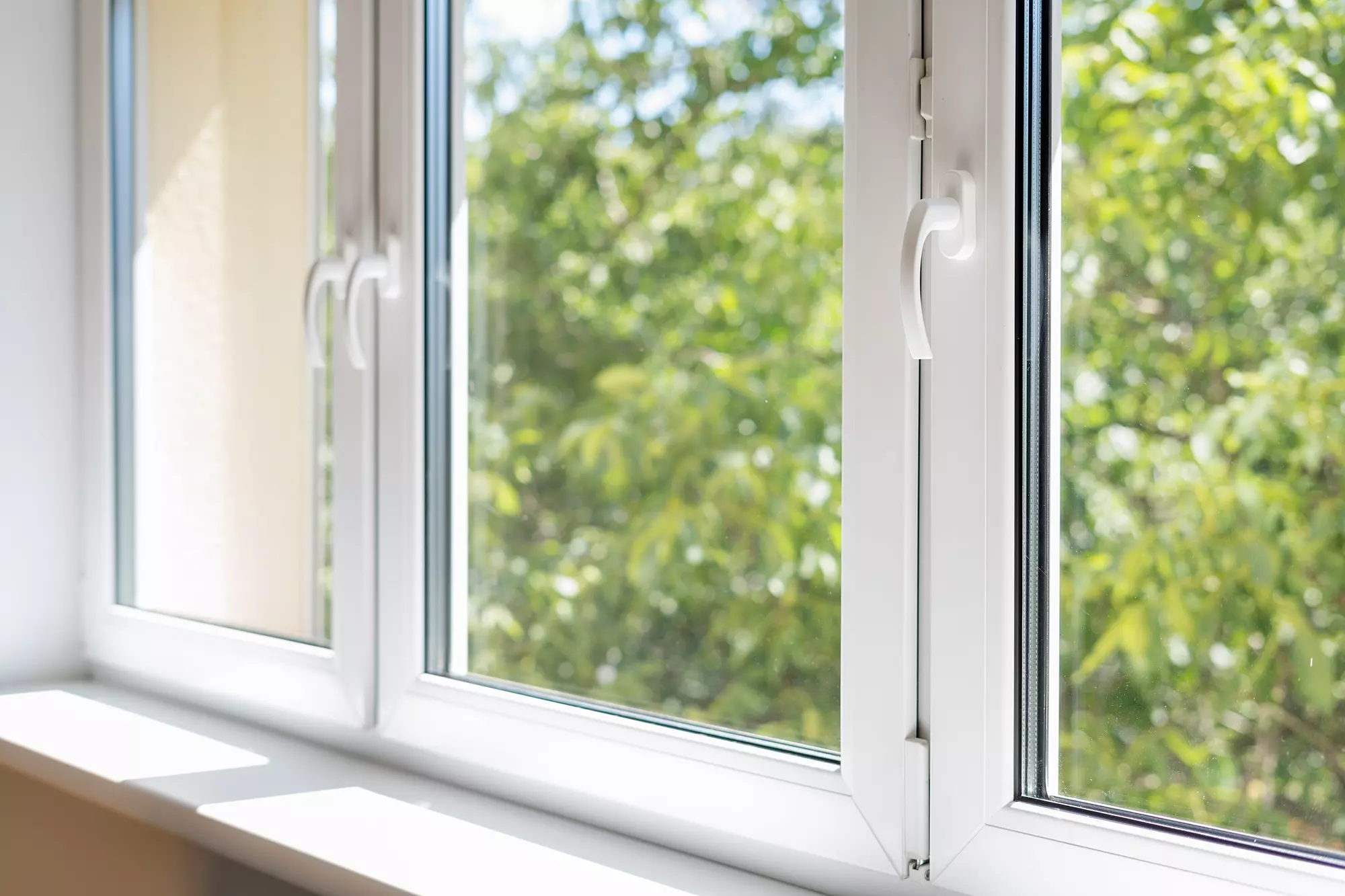
For most homeowners in Knoxville, quality double-pane windows with argon gas fill and Low-E coating are the best pick. Window World of Knoxville's windows feature the SolarZone™ glass package, which hits the ENERGY STAR standard for the Southern climate zone. That means the performance has been independently verified for the conditions East Tennessee homeowners actually live in: specifically, hot, humid summers, moderate winters, and a year-round need for a window that manages both heat gain and heat loss effectively.
Multi-pane options
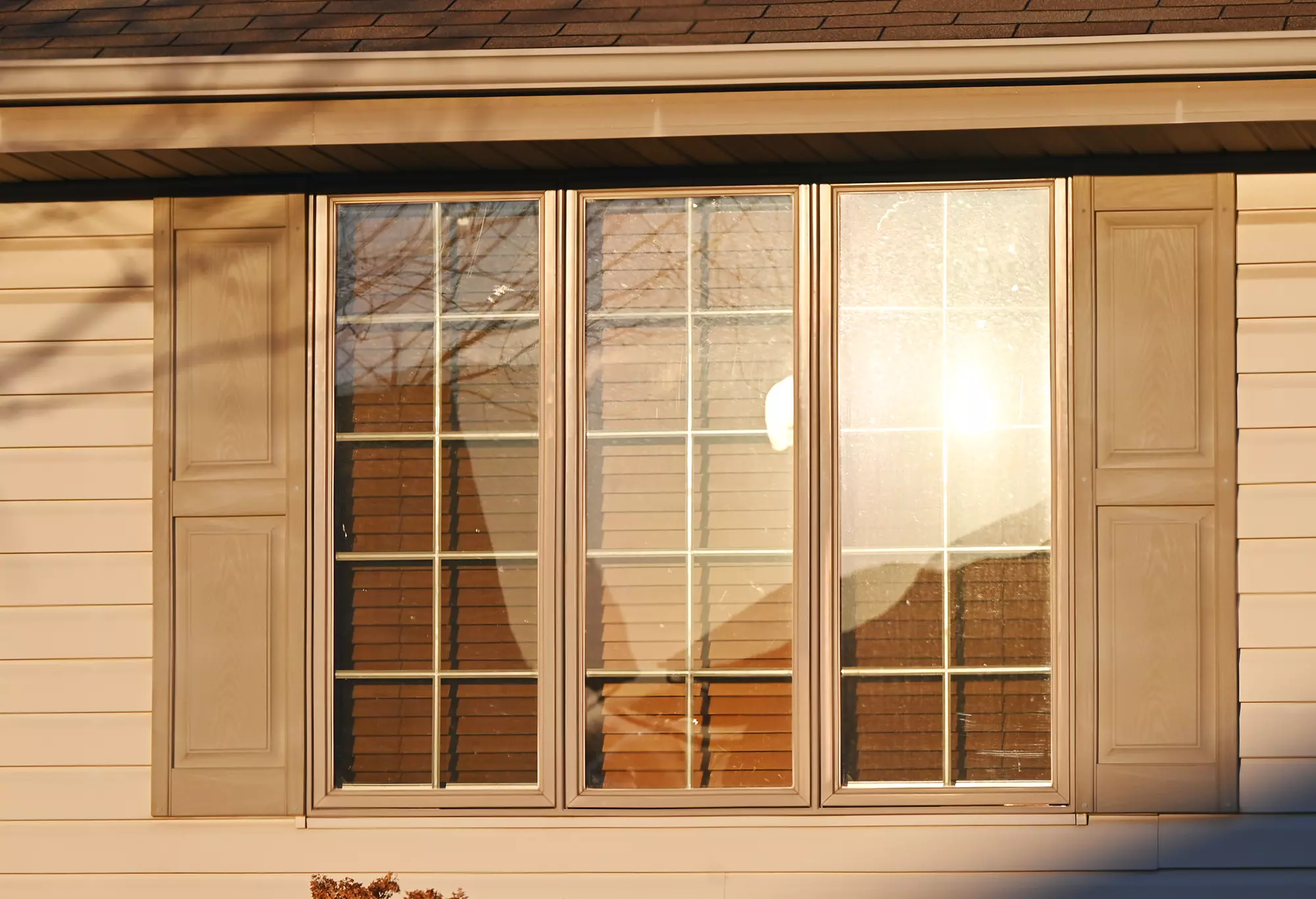
If you’re thinking about upgrades beyond standard double-pane, additional glass layers are available and do offer incremental performance improvements – for instance, better U-factor, improved noise reduction, and greater insulation in rooms with extreme thermal exposure.
That said, in East Tennessee's mixed-humid climate, the energy savings from additional panes over quality double-pane are fairly minimal, especially when you consider the extra cost. Generally, a professionally installed double-pane window with the right glass package is where you’ll find the best value.
Window style and orientation
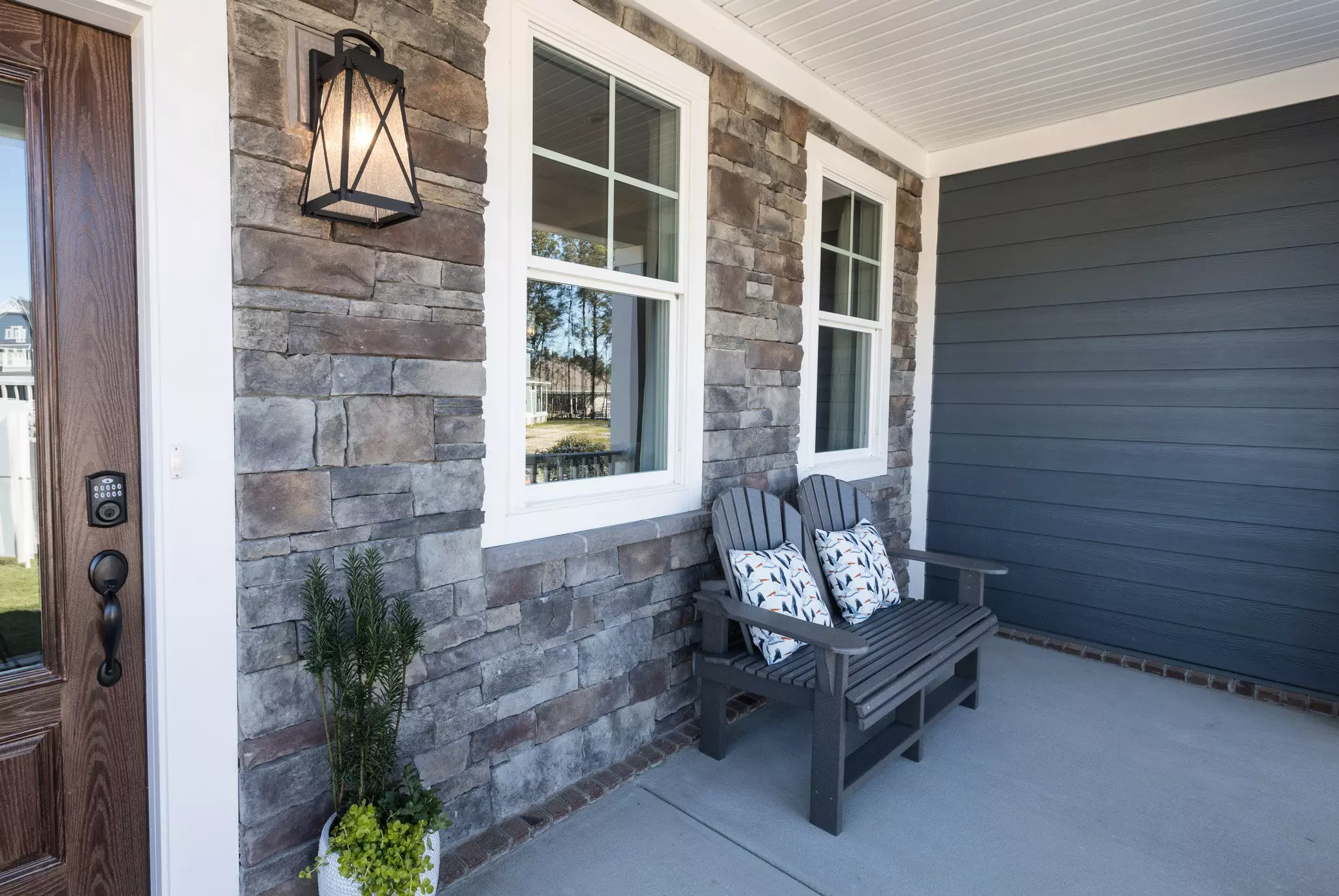
Window style plays a role in energy performance as well, even within the same glass package. For example, casement and awning windows form tighter compression seals than double-hung windows when closed. Similarly, fixed picture windows have no operational seams at all, which gives them excellent air infiltration performance.
Placement matters, too: south- and west-facing windows benefit most from low SHGC glass in our climate. Alternatively, north-facing windows are better served by prioritizing a low U-factor.
Other ways to maximize energy savings from your windows
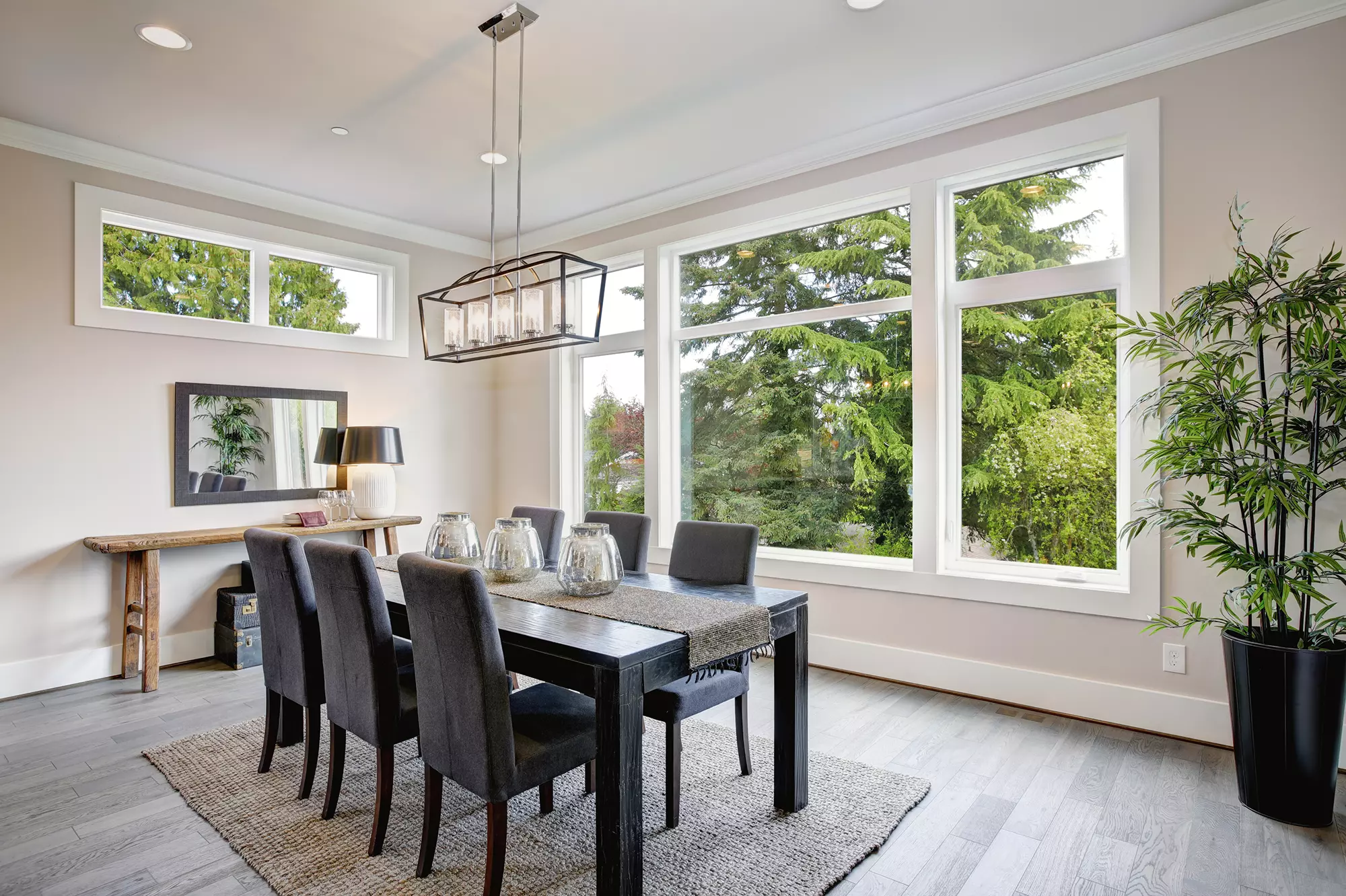
Replacement windows do the heavy lifting, but a few additional measures can push your energy performance even further.
- Cellular shades are one of the most effective window treatments for energy savings. Their honeycomb structure traps an insulating layer of air between the shade and the glass, further reducing heat transfer.
- Sealing air leaks around existing frames with caulk and weatherstripping can reduce drafts before replacement and preserve performance after. After new windows are installed, maintaining those seals over time keeps the installation performing the way it should.
Find energy-efficient windows at Window World of Knoxville
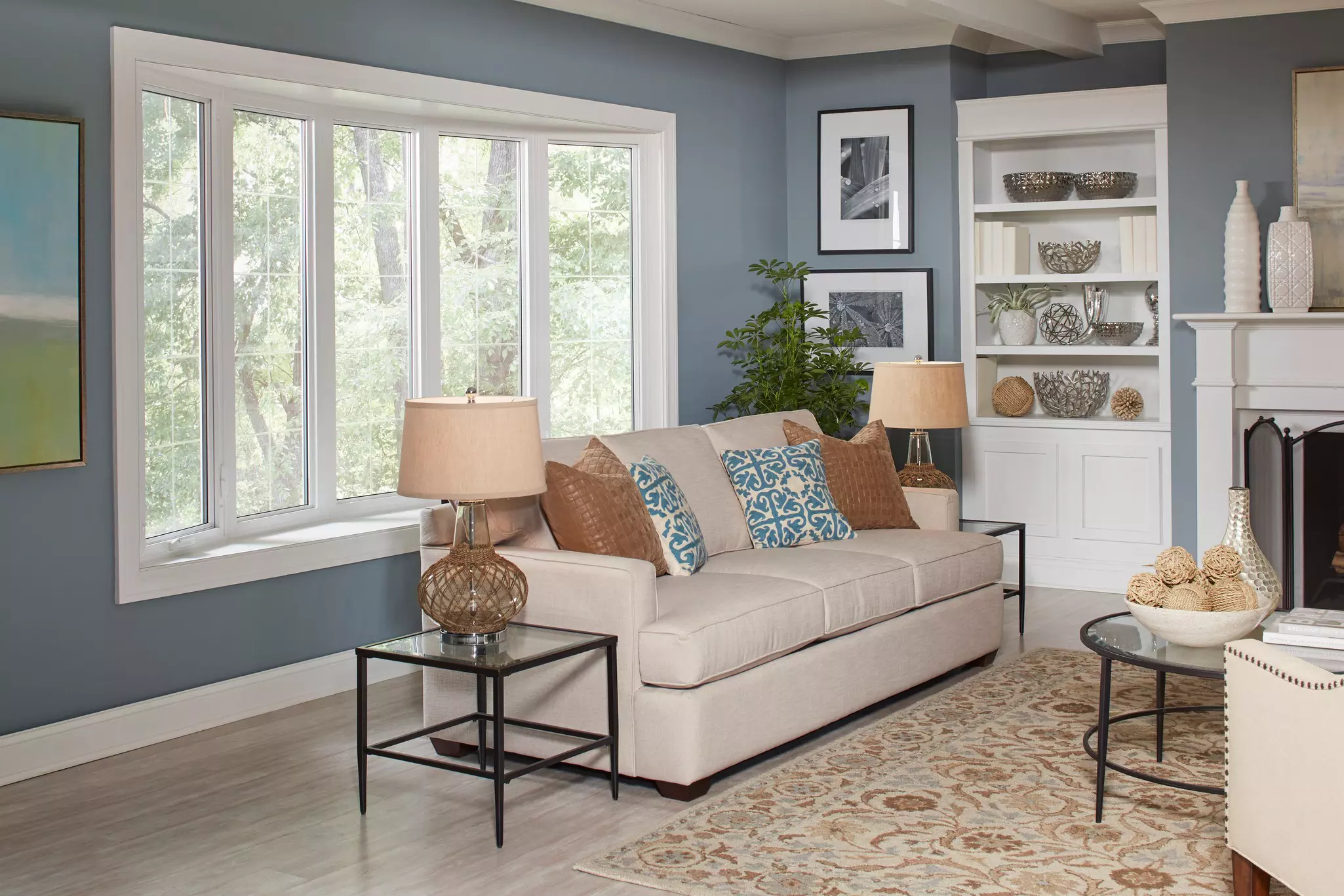
At Window World of Knoxville, our replacement windows feature argon gas-filled insulated glass with Low-E coating through our SolarZone™ glass package, and they’re ENERGY STAR certified for the Southern climate zone and built to handle what East Tennessee summers and winters really feel like. All of our windows are backed by a lifetime limited warranty and built from US-sourced materials, and our team handles professional installation so your windows perform the way they're supposed to from day one.
Ready to find out what new windows could do for your home's energy bills? We offer free in-home and virtual consultations, and our design consultants can take a look at your specific windows to help you identify where replacement would make the most difference. Request your free quote and let's get started.