

 Back to Blogs
Should You Get Double- or Triple-Pane Windows?
You've done your research on replacement windows. You know the style you want, you've got a rough sense of the budget, and you're just about ready to move forward – and then you hit the double-pane vs. triple-pane question. Suddenly, you're not totally sure if you're about to make a smart upgrade for your home.
It's a fair thing to wonder. Triple-pane sounds better because more is usually better, and the performance data does show some pretty big advantages. But the honest answer is that triple-pane isn't always the right call – and for most homeowners in Knoxville and across East Tennessee, quality double-pane windows are the smarter investment. Here's why, and how to think through the decision for your specific situation.
What's the difference between double- and triple-pane windows?
Let’s start with the basics.
A single-pane window is exactly what it sounds like: one layer of glass, no insulating chamber, nothing between you and the outside air except that lonely sheet. Many older homes in East Tennessee still have them, and if yours does, almost any modern replacement window will be a dramatic improvement.
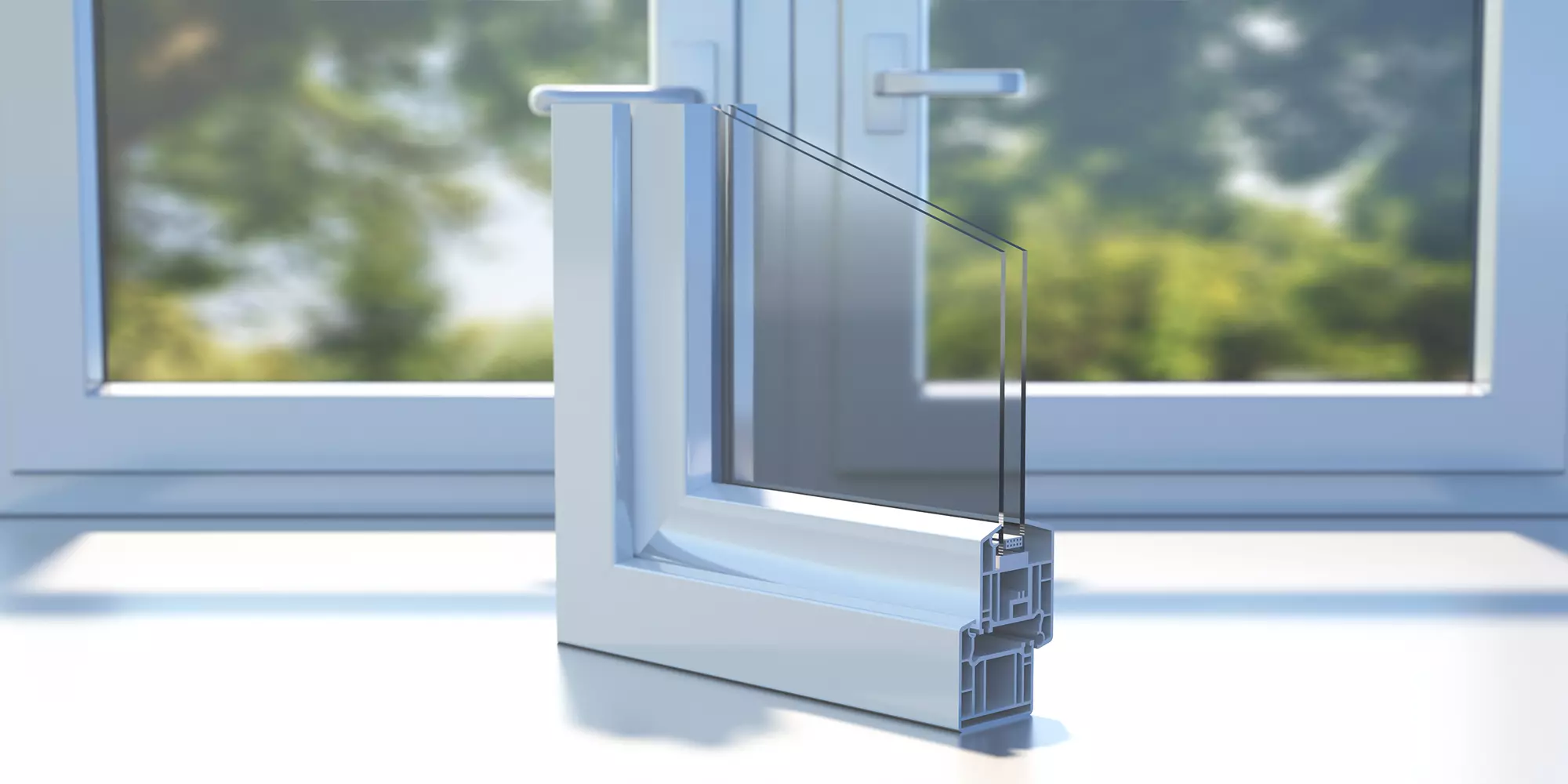
Double-pane windows use two layers of glass with a sealed chamber between them. That chamber is typically filled with argon gas – a colorless, odorless gas that's denser than air and conducts heat poorly, which makes it an excellent insulating agent. The gas slows the transfer of heat between the warm side of the window and the cold side, keeping more of your conditioned air where it belongs.
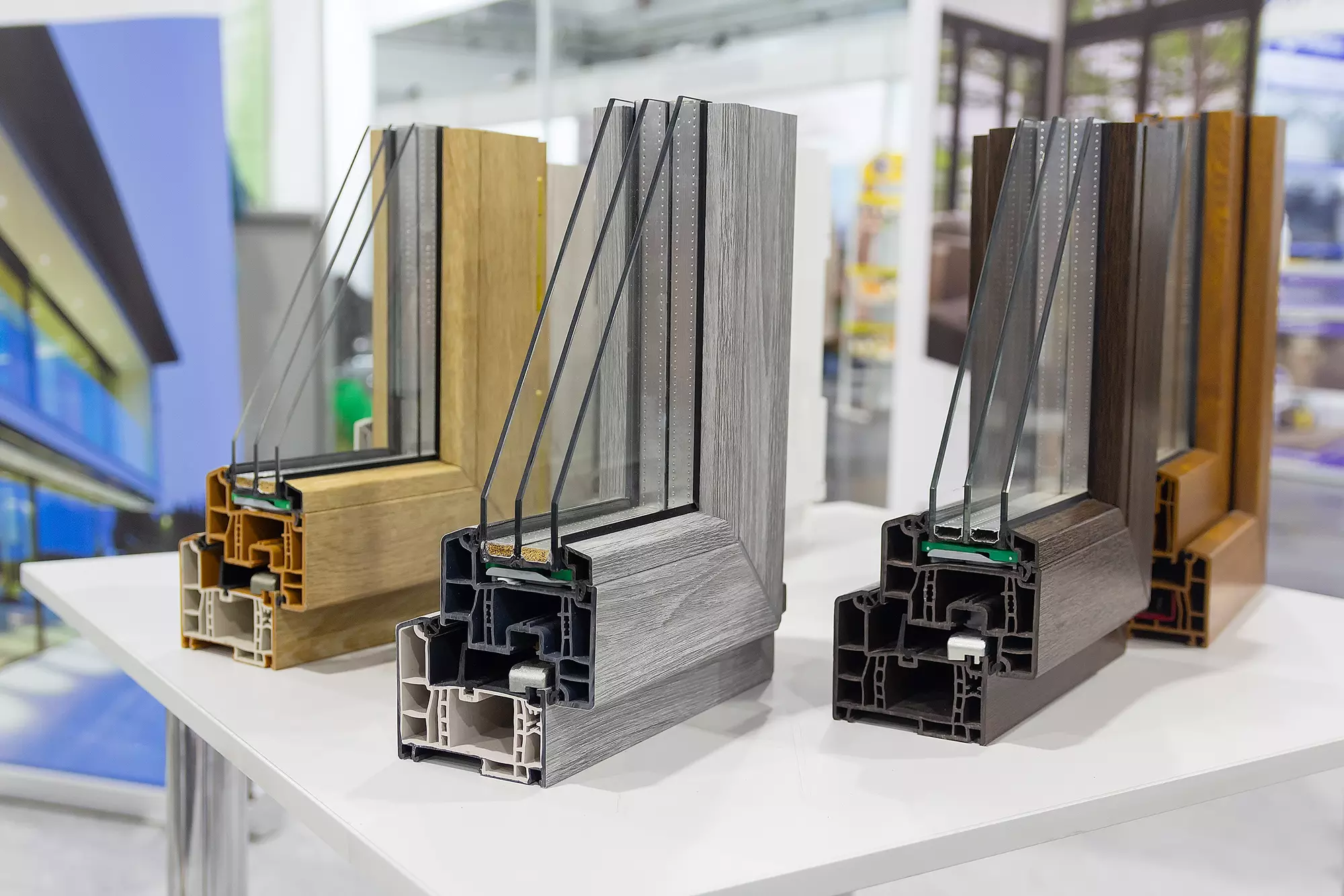
Triple-pane windows add a third layer of glass and a second sealed gas chamber. More glass, more gas fill, more resistance to heat transfer.
Both types also typically feature Low-E coatings, which are microscopically thin metallic layers applied to the glass that reflect infrared heat while still allowing visible light through. Low-E coatings work in tandem with the gas fill and the number of panes to determine how the window performs overall.
The two metrics that matter most when comparing windows are U-factor – how well a window resists heat loss, where lower is better – and Solar Heat Gain Coefficient (SHGC) – how much solar heat passes through the glass, where lower means less heat admitted. Both numbers appear on the NFRC label attached to every rated window, and both shift between double- and triple-pane configurations.
How double- and triple-pane windows compare
Now that you know what double-pane and triple-pane windows are, let’s break down how they perform in terms of the things that actually matter.
Insulation and energy efficiency

Quality double-pane windows with argon fill and Low-E coating are the modern standard. That’s because they're a significant leap over single-pane glass and perform well in the vast majority of U.S. climates. For most homeowners in and around Knox County, double-pane windows are sufficient.
Triple-pane windows do offer better insulation (typically a 20–30% improvement in U-factor over comparable double-pane). That's a major difference, and in a climate where heating is the dominant energy challenge for most of the year, it translates into meaningful savings. Think Minnesota winters, northern Wisconsin, or anywhere that regularly sees weeks of subfreezing temperatures and where heat loss through windows is a year-round battle.
East Tennessee is not that climate. Knoxville summers are hot and humid, winters are mild to moderate, and our region doesn't experience the sustained extreme cold where triple-pane's extra insulating layer earns back its cost premium in energy savings. The incremental efficiency gain is real – it just takes significantly longer to recover through lower energy bills in a climate like this one than it does further north. For most Knoxville homeowners, a quality double-pane window with an energy-efficient glass package is the better value by a clear margin.
Noise reduction

Both double- and triple-pane windows offer significant noise reduction over single-pane glass. The added mass and sealed gas chambers absorb and block sound waves in ways that a single layer simply can't. If you're currently living with single-pane windows near a busy road or in an active neighborhood, either upgrade will feel like a big improvement.
Triple-pane windows do edge out double-pane windows on noise, but the gap is narrower than most homeowners expect. And there's an important nuance, too: the thickness of the individual glass panes and the width of the gas chambers matter as much as the number of panes. A well-engineered double-pane unit can outperform a poorly constructed triple-pane on noise, so "more panes" isn't the whole story.
Where triple-pane makes the strongest case on noise grounds is in homes with persistent, significant sound exposure – say, a house backing up to I-40, a property near McGhee Tyson Airport, or anywhere that road or air traffic is a constant presence rather than occasional background noise. For everyone else, double-pane gets the job done.
Cost

The cost of triple-pane windows is typically 10–15% more than comparable double-pane –sometimes more, depending on the frame material and glass package. On a single window, that’s not usually enough to break the bank. But across a whole-house replacement project, it compounds into a substantial gap.
So the real question is whether that performance difference between double- and triple-pane windows justifies the cost in your specific climate and situation. In East Tennessee, for most homeowners on most projects, the math doesn't work out in triple-pane's favor. The energy savings from the incremental efficiency improvement aren't likely to offset the premium within a realistic ownership timeline in a climate that doesn't push heating systems to their limits for months at a time.
Weight and frame considerations
Triple-pane units are heavier than double-pane, which matters a lot if you're choosing casement or awning windows. In those styles, the sash has to swing open and be supported by its hinges, and extra weight affects how the window operates and what hardware it requires.
Most modern frames handle triple-pane weight without issue, but it's a good idea to confirm that the frame you've chosen is rated for the added load with your installer. For double-hung, sliding, and picture windows, this is rarely a practical concern.
How to tell if your current windows are double- or triple-pane

If you're replacing windows in an older home, you may not actually know how many panes you currently have in a window. Here are three straightforward ways to check.
- The reflection test: Hold a lit candle or a flashlight close to the glass at a slight angle and look at the reflections it creates. Single-pane glass produces one reflection. Double-pane produces two. Triple-pane produces three. It takes a moment to read, but it's reliable and requires nothing more than a light source.
- The spacer bar method: Look at the edge of the glass unit where it meets the frame – specifically at the spacer bar, the thin strip that runs around the perimeter between the glass layers. A double-pane window has one spacer; a triple-pane window has two. On most windows, you can see this clearly from the inside by looking at the corner of the glass at an angle.
- Check the label: Many modern windows include an NFRC rating sticker on the glass or frame that identifies the product and its performance ratings. If the sticker is still intact, it will often indicate the glass configuration directly, or you can look up the model number to confirm.
Knowing how many panes your window currently has is useful because it’ll tell you what to expect from a given upgrade. Going from single-pane to double-pane is a transformative improvement. Going from older double-pane to modern double-pane – with better gas fill, better coatings, and a better spacer system – is a meaningful upgrade. Adding a third pane on top of that, however, may not be nearly as much of a leap.
Which is the right choice for Tennessee homeowners?
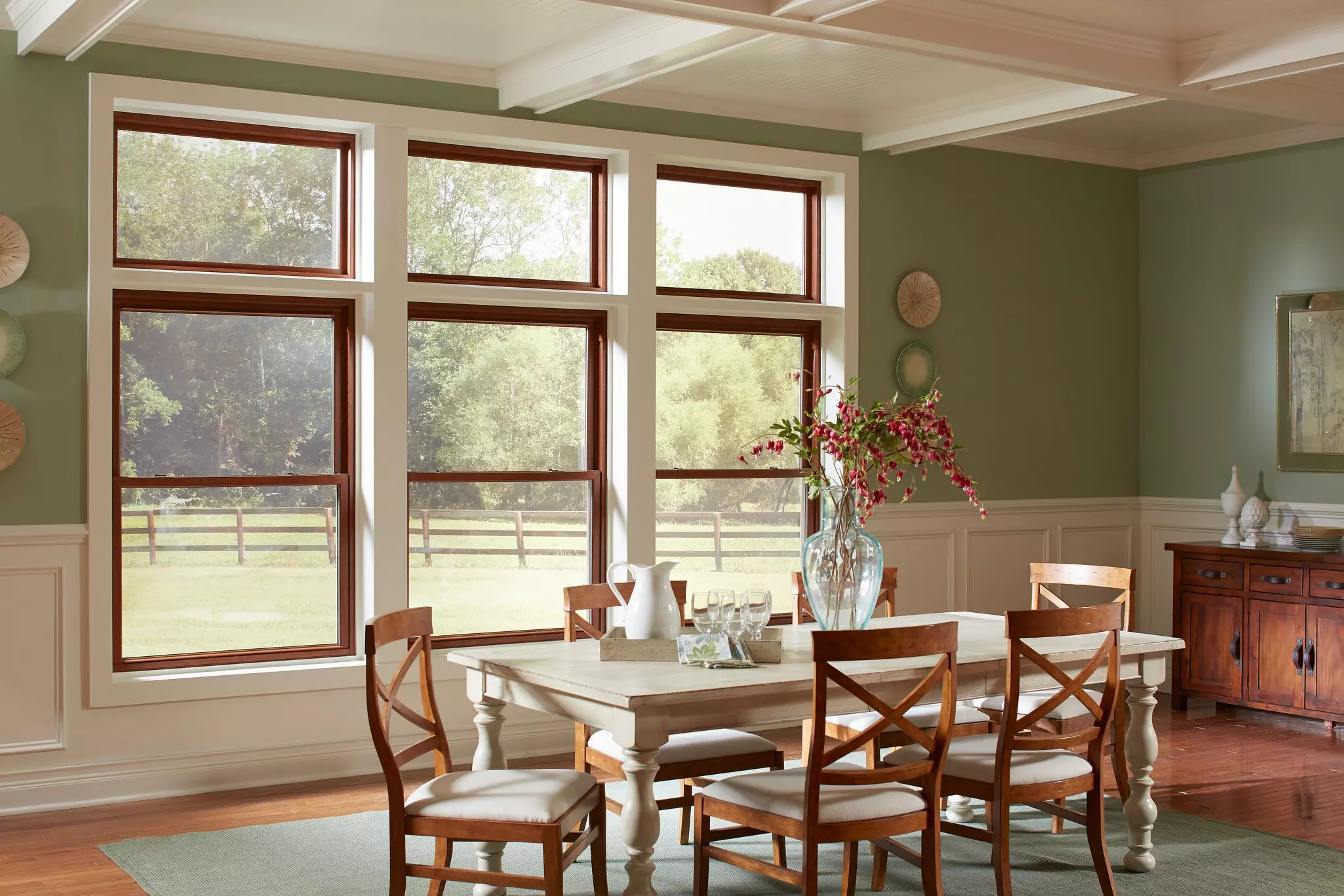
For the vast majority of homeowners in Knoxville and across East Tennessee, quality double-pane windows with argon gas fill and Low-E coating are the right answer. They deliver strong energy efficiency, solid noise reduction, and excellent long-term value – and they're well-matched to a climate where summers are the bigger thermal challenge and winters rarely push insulation requirements to their limits.
But triple-pane is worth a look in specific situations – for example, if your home is near a persistent noise source and sound reduction is a genuine priority, if you're planning to stay in the house long enough that a slower payback period still makes financial sense, or if a particular room or exposure warrants the extra layer.
The most important thing, however, isn't which pane count you choose. It's the quality of the glass package, the integrity of the seal, and the craftsmanship of the installation. A well-made, properly installed double-pane window will outperform a poorly made triple-pane every time.
Find the right windows for your home at Window World of Knoxville
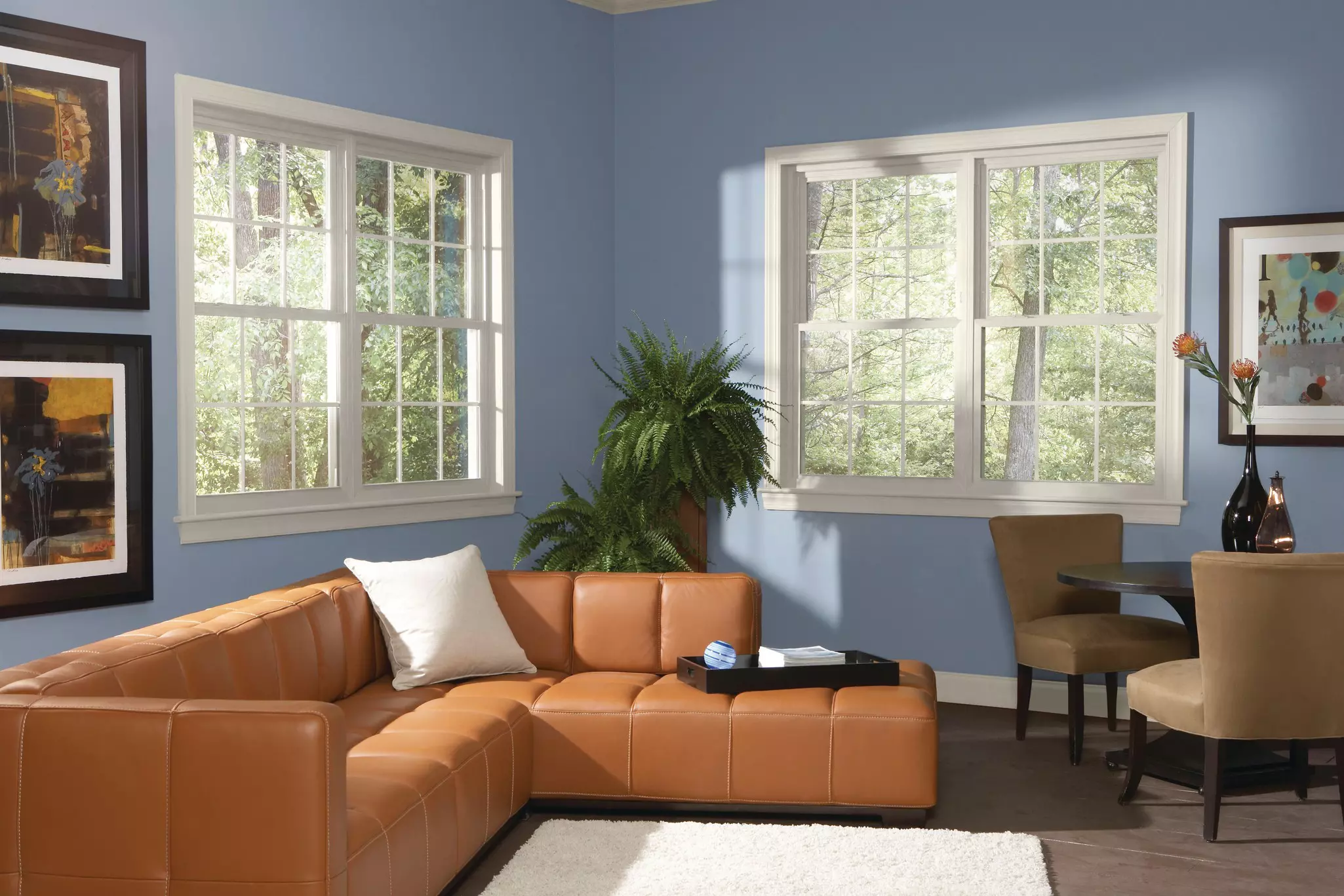
Window World of Knoxville's replacement windows feature argon gas-filled insulated glass with Low-E coatings: the quality double-pane package built to handle East Tennessee's climate efficiently and comfortably. All of our windows are ENERGY STAR rated and installed by certified professionals, as well, plus backed by a lifetime limited warranty and built from US-sourced materials.
Whether you're replacing a handful of problem windows or doing a full-home upgrade, our design consultants can walk you through the glass options for each room and orientation. Ready to see what the right windows would look like for your home? Window World of Knoxville offers free in-home consultations. Request your free quote to get started.