

 Back to Blogs
Horizontal vs. Vertical Siding: Which Is Better?
Key Takeaways
-
Horizontal siding is the most common type of siding on modern homes
-
Horizontal siding requires more cleaning and maintenance
-
Vertical siding is becoming more common in neighborhoods
-
Vertical siding typically costs more to install than horizontal
-
Homes can combine both siding styles
-
The type of siding your home may need depends on aesthetics, cost, the neighborhood you’re in, and your project timeline
Your home’s siding does quite a bit more than protecting you from the elements! On top of boosting energy efficiency, it also shapes your home’s personality and curb appeal for years to come. That means it’s one of the most important decisions you can make when it’s time to renovate.
Whether you need to install new siding for practical reasons or your home is just due for a refresh, it's a smart investment that can pay off both immediately and over time. But alongside choosing color, style, and material, you’ll quickly find that you need to make another key decision: should you choose horizontal or vertical siding?
While the most popular option for Knoxville homeowners has traditionally been horizontal siding, there are positives to both siding directional styles. Here's a look at how they actually compare.
What is horizontal siding?
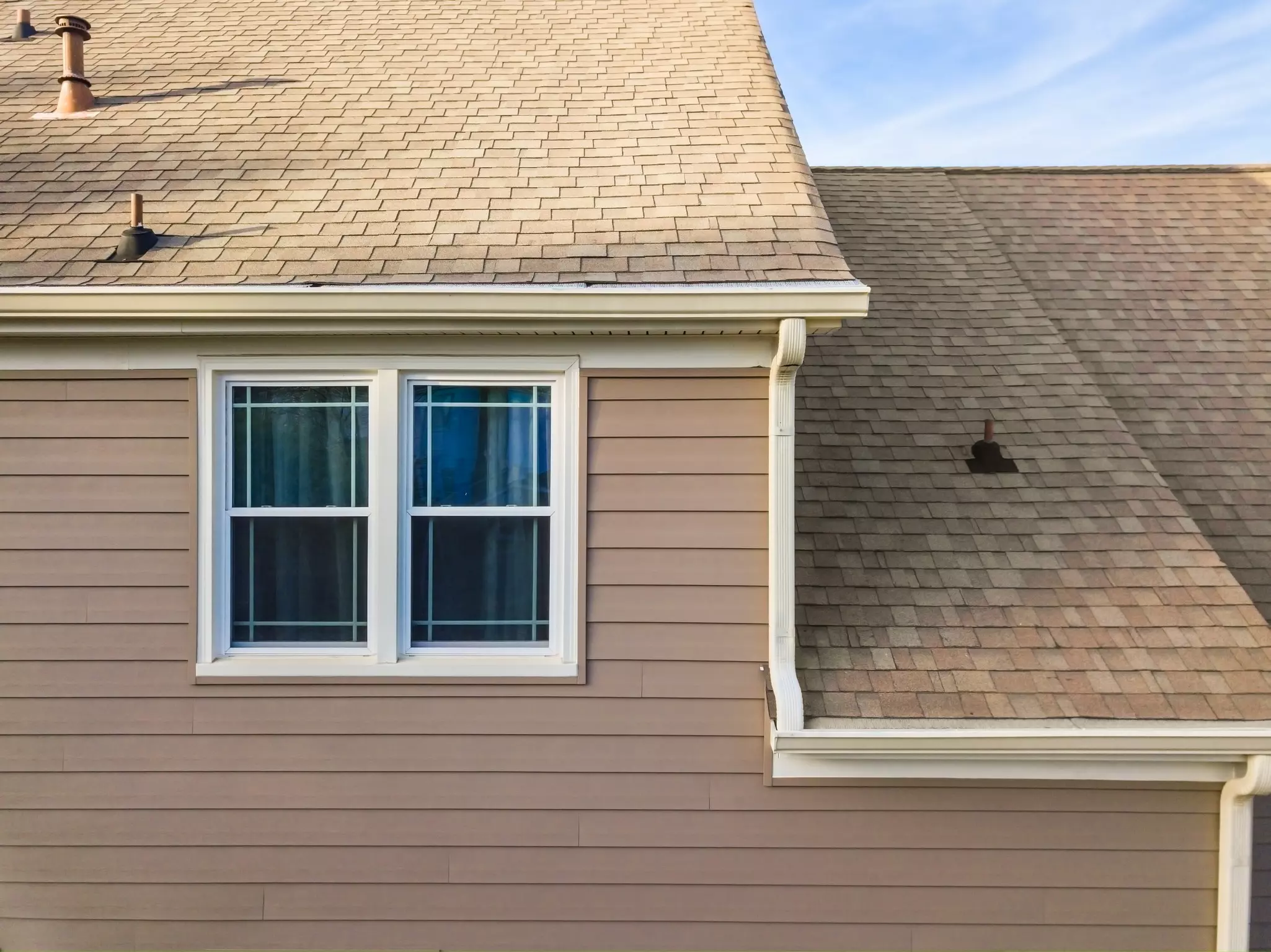
Horizontal siding is installed in overlapping panels that run side to side, parallel to the foundation. Made of materials such as low-maintenance vinyl or engineered wood, horizontal siding comes in all sorts of styles and colors, offering plenty of options for customization.
Styles like traditional lap, Dutch lap, or beaded installation allow horizontal siding to pair well with several home types, too. You'll notice it on colonial, farmhouse, craftsman, and contemporary homes throughout East Tennessee. After all, it’s the most common siding type found on most modern homes.
What are the pros and cons of horizontal siding?
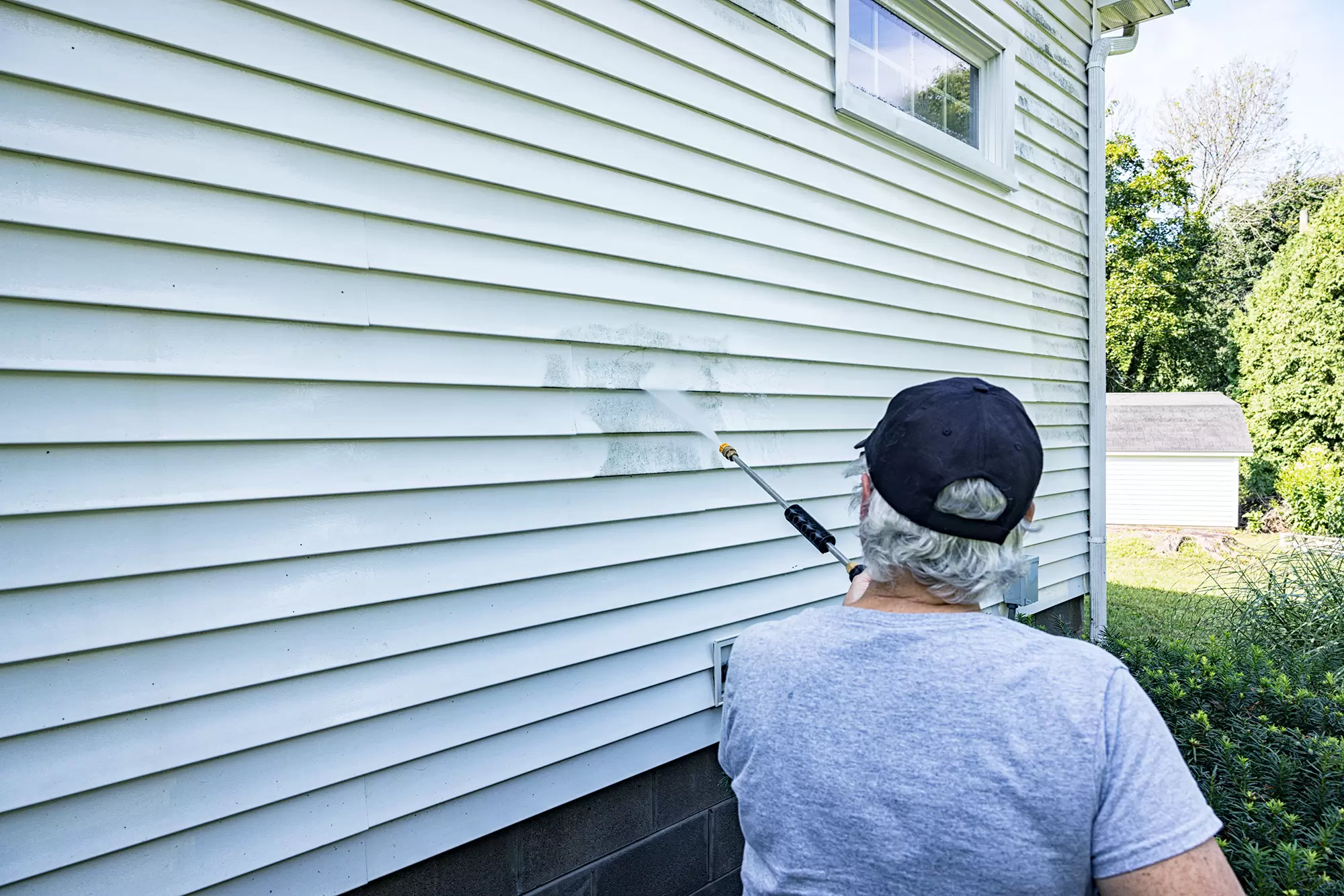
Although horizontal siding has been a top pick for decades, it’s a good idea to keep both its benefits and potential downsides in mind before you choose. Let’s take a look at some specific factors as you decide if it's the right fit for your home.
Pros:
- It has a classic, timeless look that fits most home styles and neighborhoods.
- Its broad appeal makes it a safe bet for resale value.
- It's widely available, and most contractors have plenty of experience installing it, which keeps the process faster and more affordable.
Cons:
- Because the panels overlap horizontally, water and debris can collect in the seams over time, requiring more regular cleaning and upkeep than vertical siding.
- Scratches show more visibly on horizontal panels, so long-term maintenance is worth factoring into your decision.
What is vertical siding?
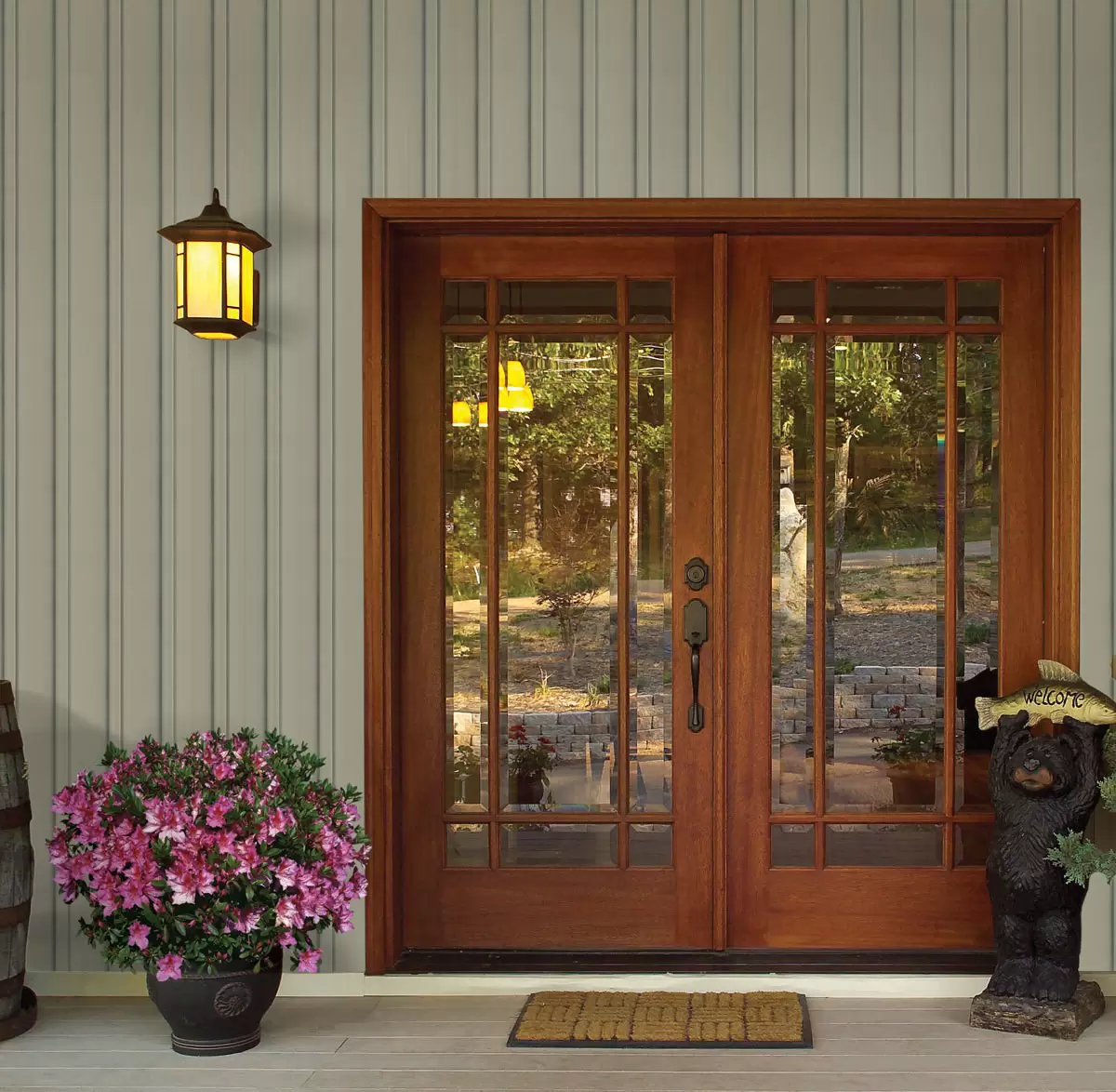
Unlike horizontal siding, vertical panels run top to bottom and are installed perpendicular to the foundation. But don’t think this means vertical siding doesn’t work; it still does all the same stuff as horizontal siding, including protecting your home from the elements, improving energy efficiency, and so on.
Vertical siding used to be common in commercial settings, but it’s becoming more common in certain neighborhoods. This type of siding works especially well with modern farmhouse, mid-century modern, ranch, Scandinavian, and coastal cottage aesthetics, so it might also be the right choice for your property.
What are the pros and cons of vertical siding?
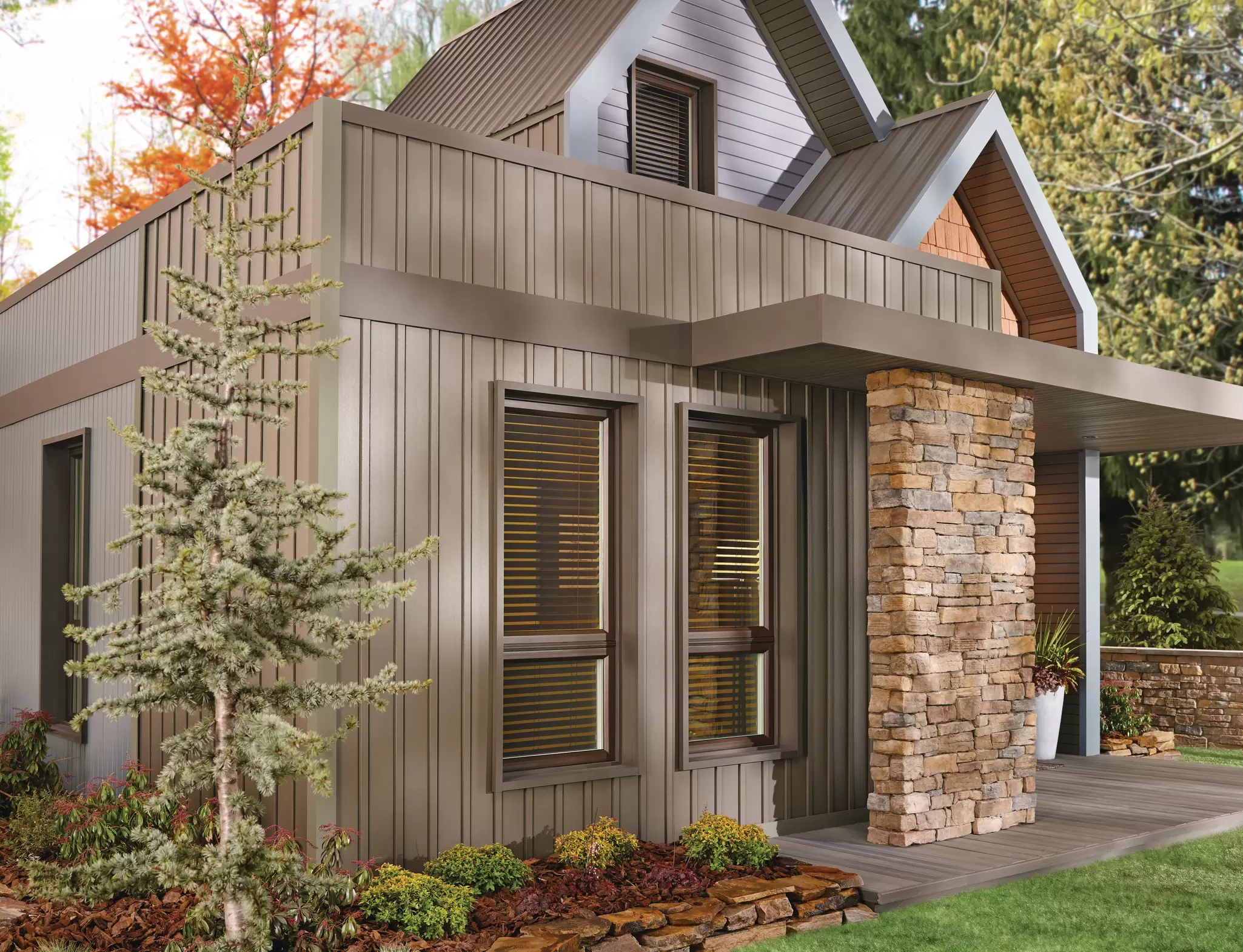
Just like its horizontal counterpart, vertical siding has plenty that makes it worthwhile, along with a few things to watch out for. Here are the key factors to consider.
Pros:
- The top-to-bottom panel orientation lets water shed downward naturally, giving vertical siding a real durability edge, especially in wet or humid conditions like summers in East Tennessee.
- It has a clean, contemporary look that can make a home appear taller and give a property a more intentional, custom feel.
- It does a great job of highlighting architectural details like gables, dormers, and entryways.
Cons:
- Vertical siding typically costs more to install than horizontal – it needs additional prep work, including installing furring strips beneath the panels before siding installation can begin.
- Fewer siding contractors specialize in it, which can affect both availability and price.
- It's a bolder aesthetic choice, which is a plus if that's what you're after, but worth considering if broad resale appeal is a priority.
How do horizontal and vertical siding compare?
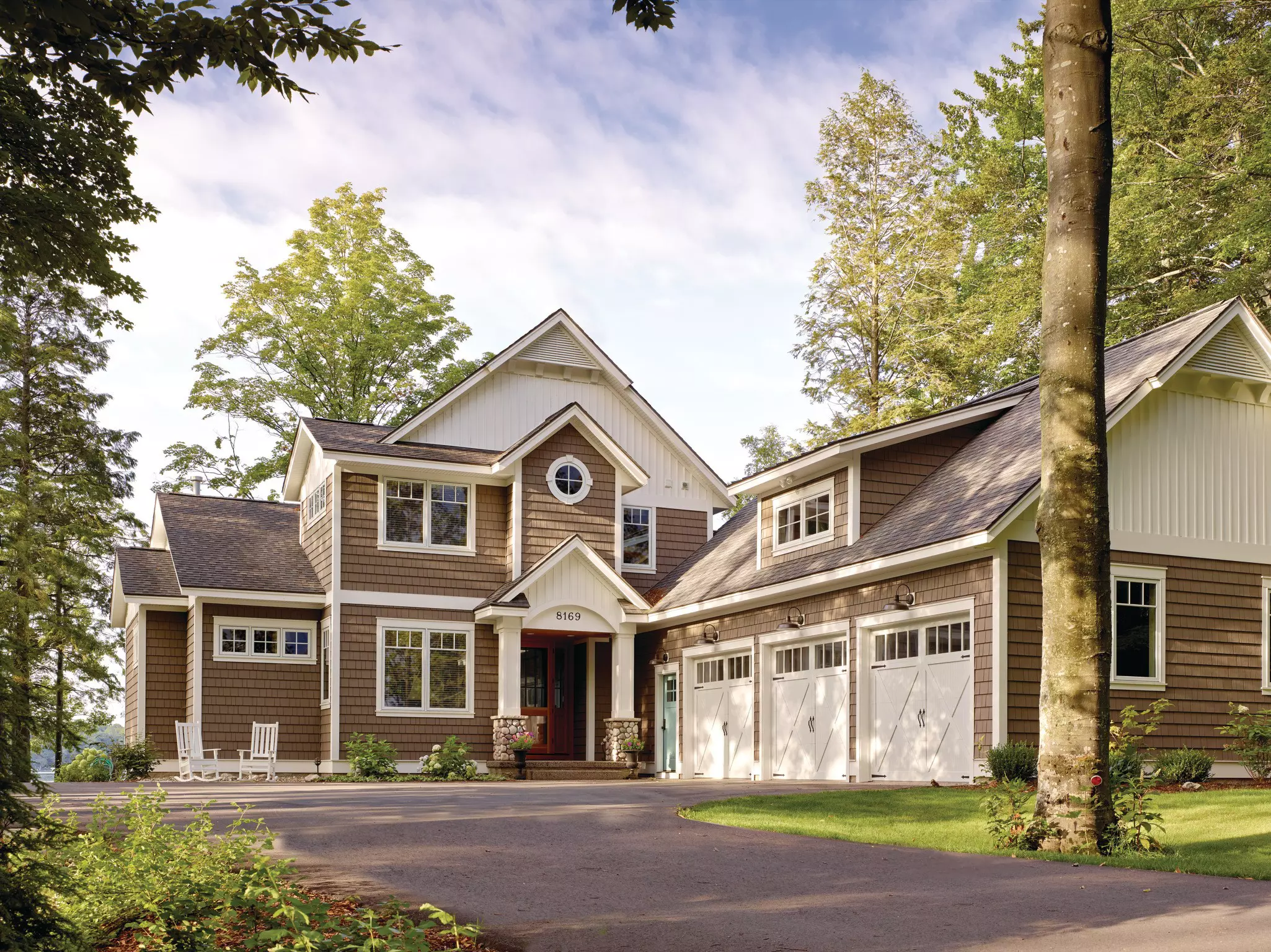
As you can see, horizontal and vertical siding are both great choices for home renovations. But if you’re not sure which is ideal for your home, take a look below as we compare the two options directly in terms of aesthetics, cost, and durability.
- Aesthetics: Horizontal siding has a traditional look that holds up well in most neighborhoods. On the other hand, vertical siding reflects modern architectural styles and makes a bolder visual statement. Ultimately, which is best comes down to what suits your home's shape and the character of your neighborhood.
- Cost: Most contractors are well-versed in horizontal siding installation – it's the faster, easier type to install. Vertical siding requires more prep work, including installing furring strips horizontally beneath the panels, which adds to the time, materials, and labor costs involved. So if you want vertical siding, pick a contractor with experience installing this type and a reasonable price for siding that fits your renovation budget.
- Durability: Vertical siding has a natural water-shedding design that gives it a slight edge in durability. In wet or humid climates – like ours during the summer – it can add real value by improving weathering performance. Horizontal siding in moisture-prone areas requires more consistent preventive maintenance to match that longevity, in contrast.
Resale value between siding types
If you’re still not sure which direction of siding is right for your home, think about its resale value. Different siding can affect how much your home might sell for if you ever decide to move.
When it comes time to put your home on the market, horizontal siding is the lower-risk choice. That’s because it's traditional, usually has lower installation costs, and complements the majority of home styles. Its broad appeal makes it attractive to potential buyers.
However, in specific markets, vertical siding is valued for its contemporary look and long-lasting nature. Keep in mind, though, some buyers in our area may prefer a more traditional aesthetic.
How do you choose between vertical and horizontal siding for your home?
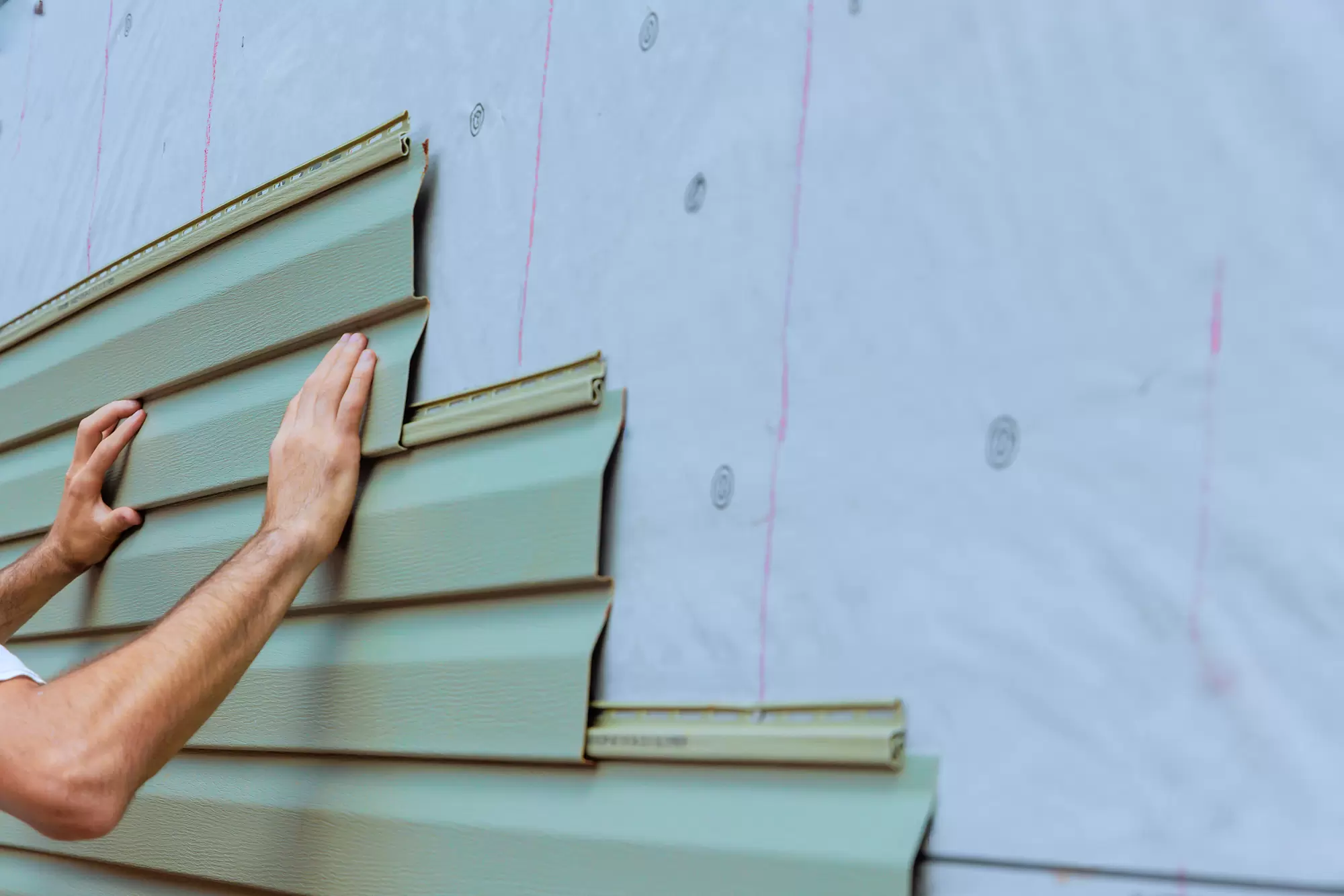
Now that you know how vertical and horizontal siding are different, you might have a tough decision to make. How can you really know which is the best pick? Start with these points, and you’ll come to the right answer in no time.
Start with your home's architecture
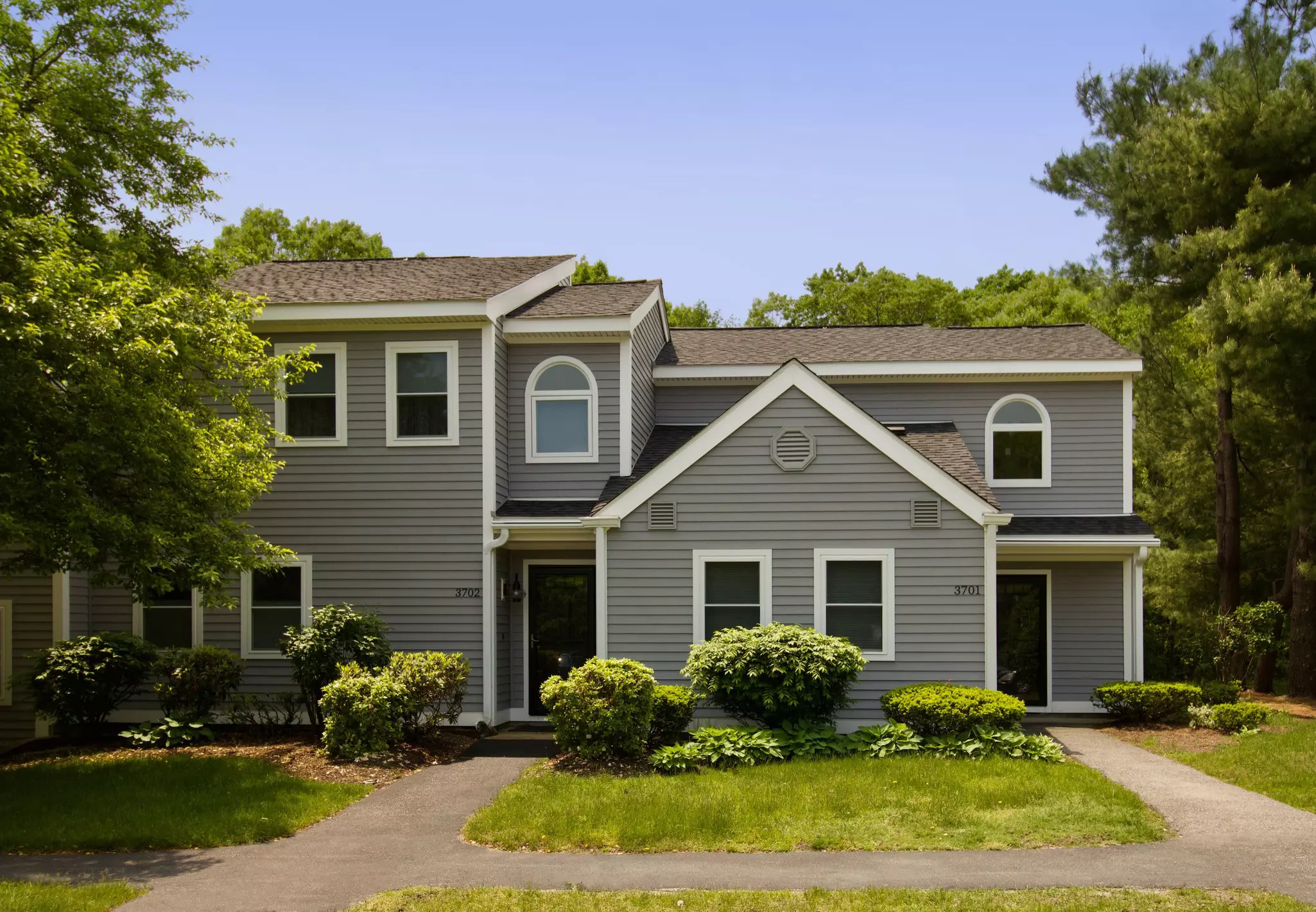
The most reliable starting point for your decision is your home itself. Traditional and transitional styles – colonials, craftsman homes, four-squares, and most ranch designs – tend to feel at home with horizontal siding. It follows the natural visual language those homes already speak.
Vertical siding, on the other hand, tends to come alive on modern farmhouses, contemporary builds, and homes where the architecture already has some intentionality to it. If your home has strong rooflines, interesting gables, or a layout with distinct sections, vertical siding can lean into those features in a way horizontal simply doesn't.
Think about your neighborhood
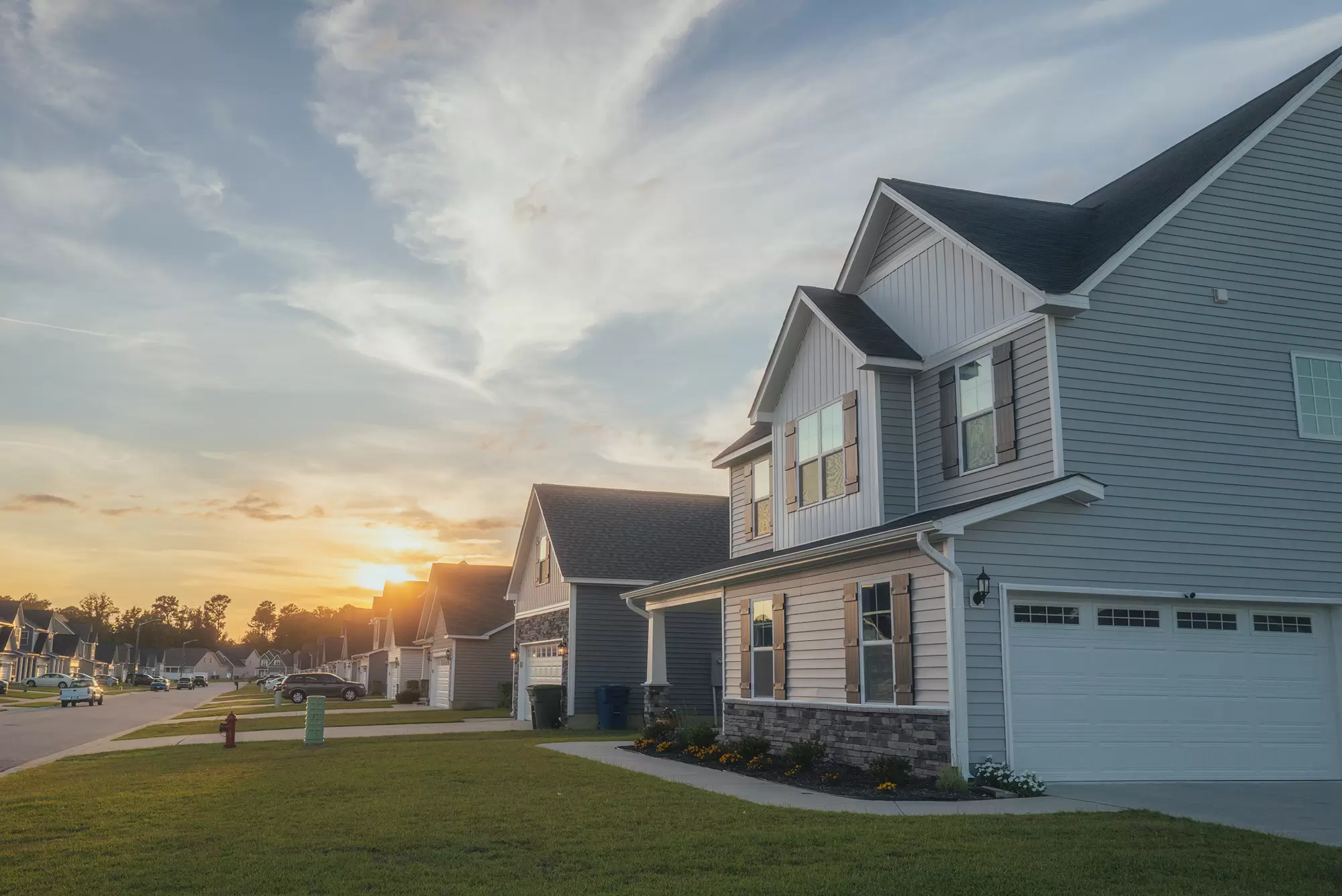
Your home doesn't exist in isolation, and siding that feels bold and refreshing in one neighborhood can feel out of place in another. Take a drive through your area and pay attention to what's around you. That's not to say you need to blend in completely – a well-chosen vertical accent or a mixed approach can absolutely stand out in a good way – but it's worth understanding the context your home sits in before you commit.
Consider your timeline

If you're planning to sell within the next few years, horizontal siding is the lower-risk choice. It appeals to the broadest range of buyers, tends to carry stronger resale value across most markets, and is less likely to give a potential buyer pause. If you're putting down deeper roots and want a home that reflects your taste, vertical siding – or a combination of the two – gives you more room to create something that feels genuinely yours.
Can you mix vertical and horizontal siding styles?
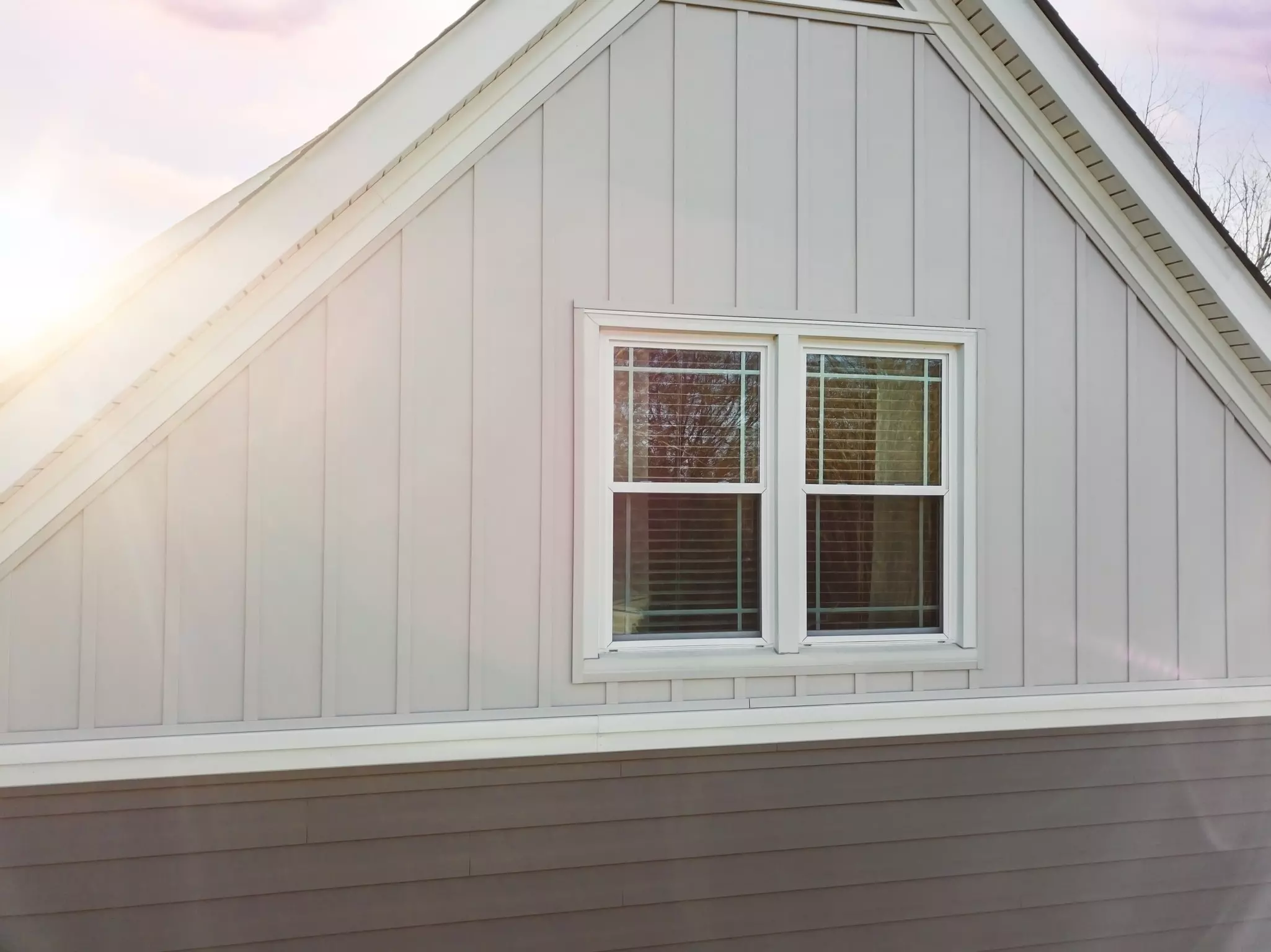
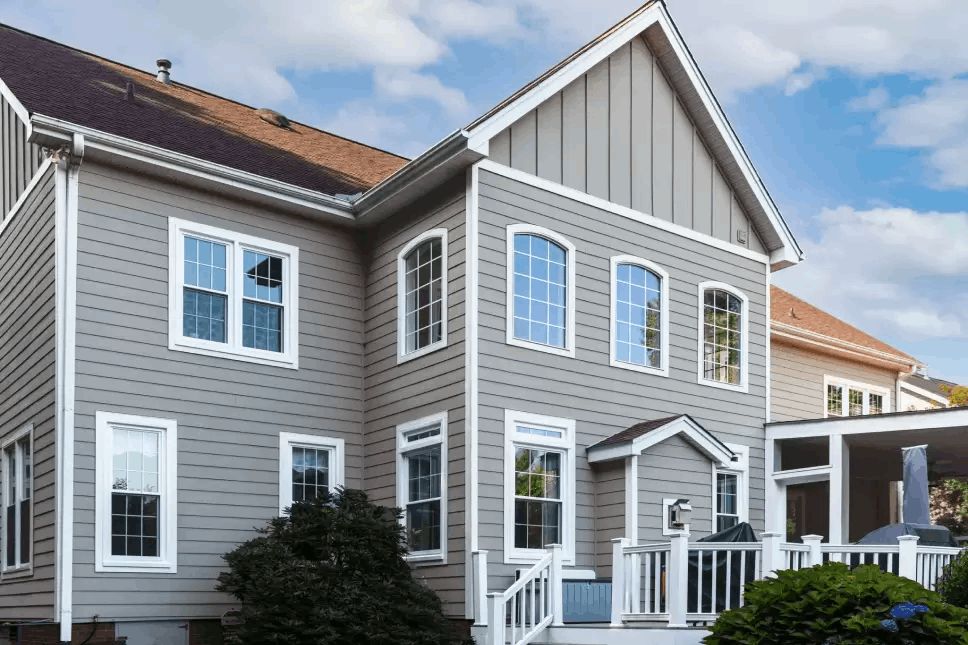
Absolutely! Instead of choosing one or the other, some homeowners are opting for a third approach: combining both horizontal and vertical siding. This works by using horizontal as the primary field with vertical as an accent on gables, dormers, or entryways.
Combining siding styles can create architectural depth, highlight specific features, and boost the curb appeal of your home. However, because this is a unique stylistic choice and can be somewhat complicated to complete, we recommend speaking to a professional contractor about your options and what might best fit your home’s current look.
Start your siding renovation with Window World of Knoxville
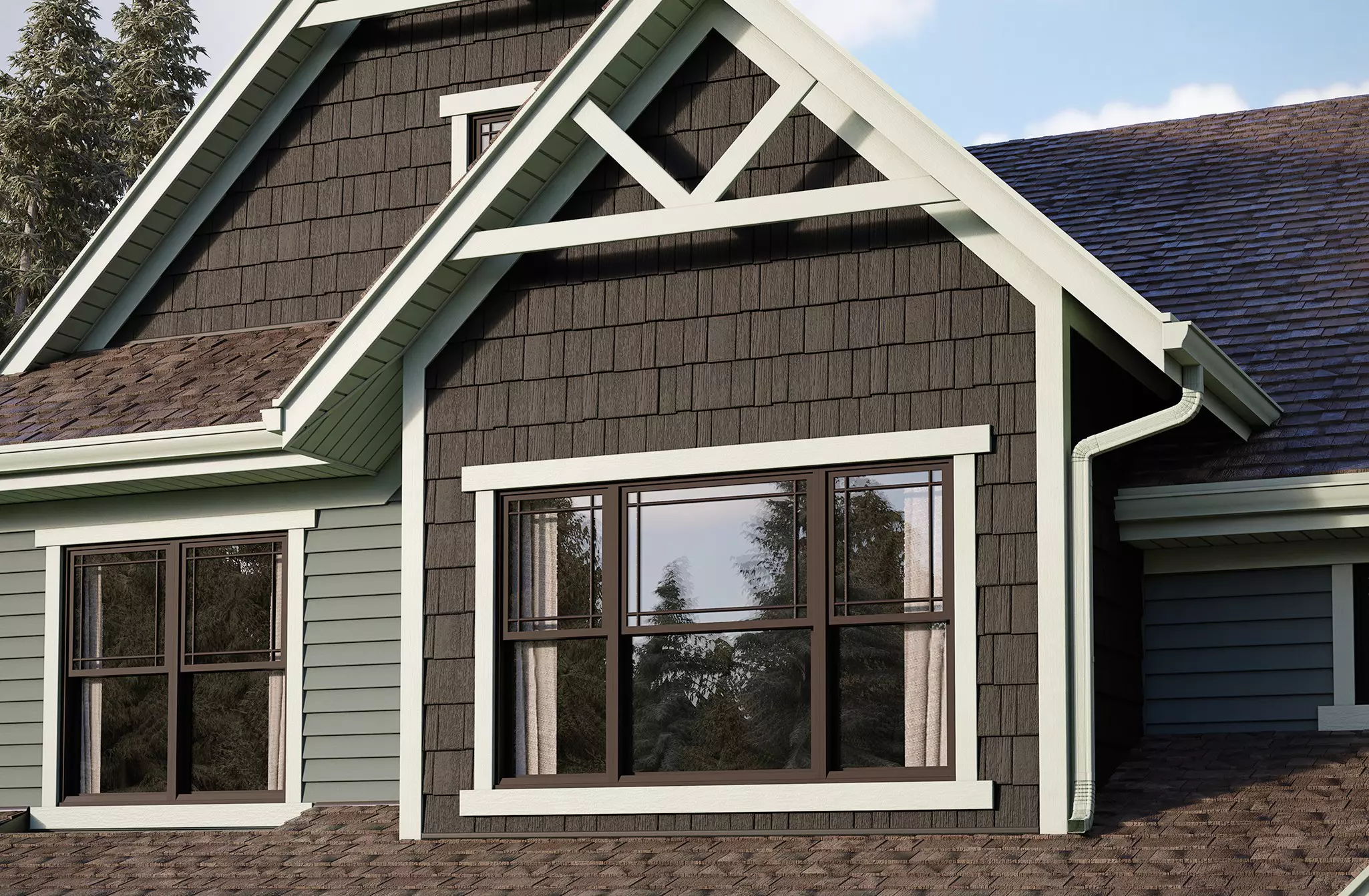
Every home is unique, and choosing siding isn't always a straightforward decision. At Window World of Knoxville, we're happy to answer questions and help you think through which option makes the most sense for your home, whether you're in Knoxville, Oak Ridge, Maryville, or anywhere across East Tennessee.
Ready to explore your options? Window World of Knoxville offers free in-home consultations with no pressure and no obligation. Whether you're drawn to classic horizontal siding, a modern vertical accent, or a combination of both, our team will help you find the right fit for your home and your budget. Request your free quote to get started.