

 Back to Blogs
Pros and Cons of Casement Windows vs. Traditional Options

There are lots of fantastic window styles, especially if you’re looking for windows that open up to let in fresh air and natural sunlight. Casement windows and double-hung windows are two of the most popular options, offering both flexibility and aesthetic appeal. But they look fairly different from each other – so it’s natural to ask which is better for your next home renovation.
Want help picking between casement windows vs. double-hung windows? You’ve come to the right place. Contact us to speak to a design expert at Window World of Knoxville who can walk you through which window styles suit your home in eastern Tennessee. Now, let’s dive in!
What are casement windows?
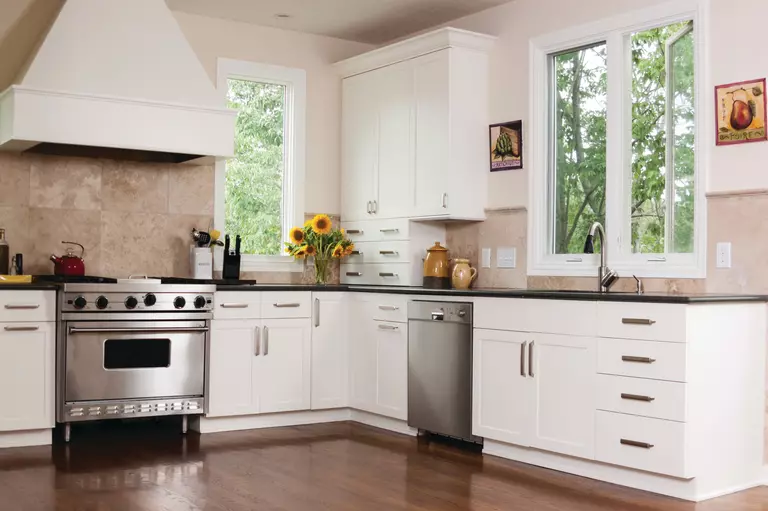
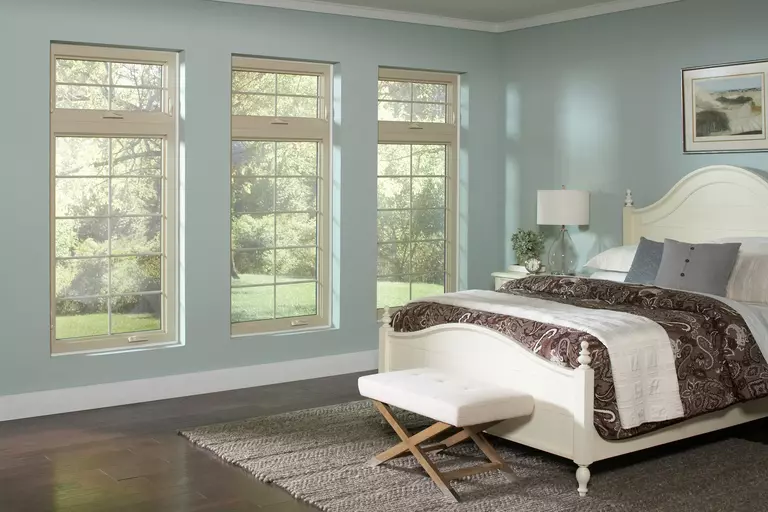
Casement windows are hinged on one side and open outward like a door, typically using a crank mechanism. They can be single-, double-, or even triple-pane and are generally installed in areas where unobstructed views and full ventilation are desirable – say, above kitchen sinks or in sunrooms.
Because they open outward, casement windows form a tight seal when they’re closed, which makes them extremely energy efficient. Casement windows are often framed in vinyl or occasionally aluminum cladding, and their sleek design complements both modern and traditional homes.
What are double-hung windows?
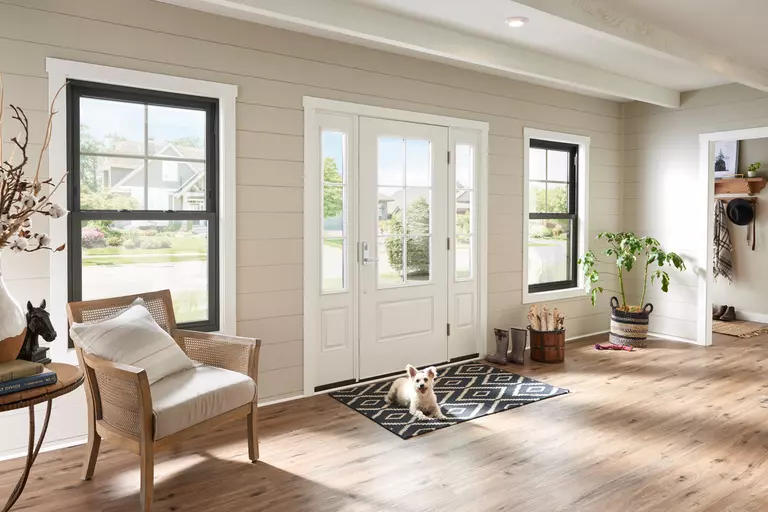
These classic window varieties are traditional and versatile, featuring two stacked upper and lower sashes that slide up and down independently. This design allows for ventilation from either the top or bottom (or both), which can be especially useful for airflow control in multi-story homes.
You’ll often find double-hung windows in colonial, farmhouse, or craftsman-style homes, although they’re good fits for almost any home aesthetic. They're widely available and typically easy to maintain, thanks to features like tilt-in sashes for cleaning. In fact, you might already have a few double-hung windows in your home.
Pros and cons of casement windows vs. double-hung windows
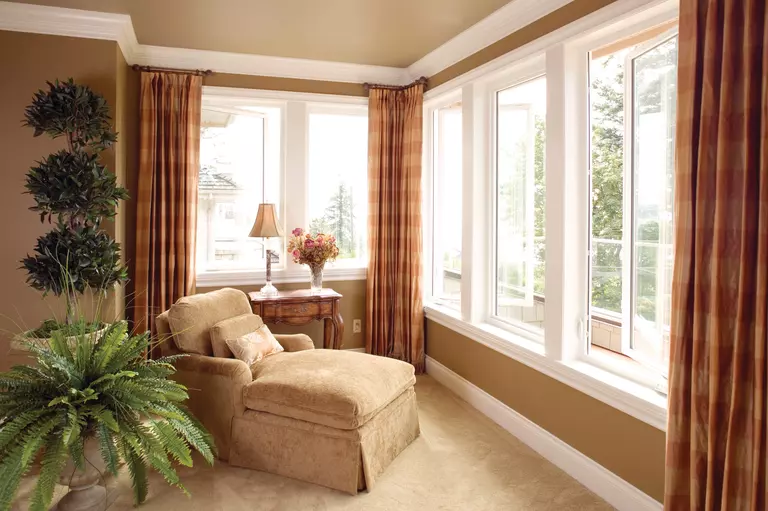
Since both casement windows and double-hung windows open to let in fresh air, they might seem so similar that neither is a stronger choice for your next home renovation. But even though they're both operable, casement windows have some key differences – and benefits – versus their double-hung counterparts.
Let’s break down the unique pros and cons of casement windows by comparing them directly to double-hung windows.
Casement window advantages
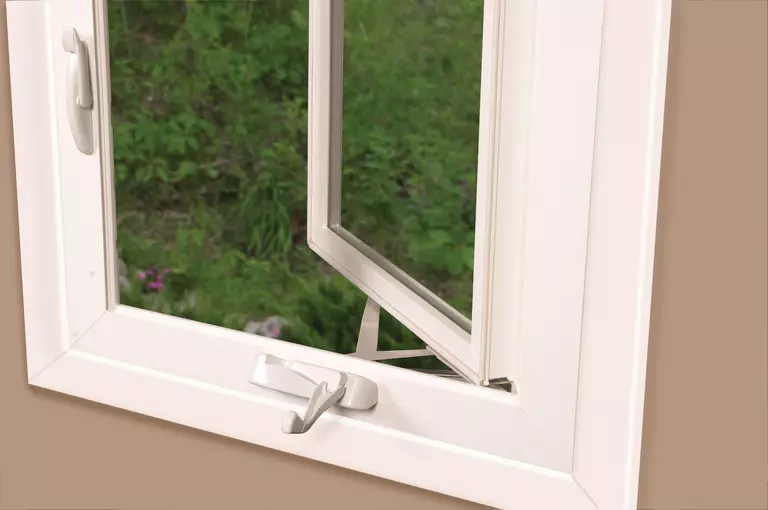
Casement windows have several standout benefits, including:
- Higher energy efficiency: When closed, a casement window’s sash presses tightly against the frame, creating an airtight seal that limits drafts and heat loss. That makes casement windows an excellent choice for homeowners who prioritize energy savings.
- Superior ventilation: Since the window opens fully outward, it can catch side breezes and direct fresh air into your home (sometimes more effectively than double-hung window styles).
- Better visibility: Without the dividing sash found in double-hung windows, you get a clear, unobstructed view. This makes casement windows great for scenic outlooks or areas where you want to bring the outdoors in.
- Greater security: The hook-shaped locks embedded in a casement window’s frame are tough to tamper with from the outside, and the design itself is harder to force open compared to a sliding sash.
Casement window downsides
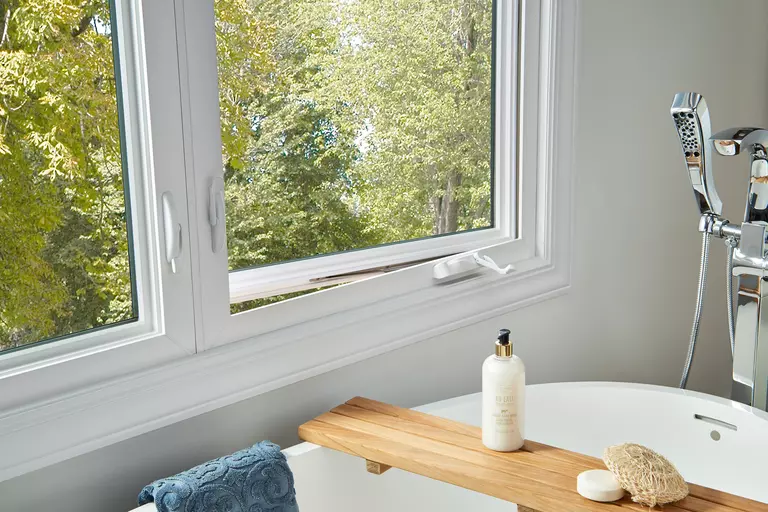
However, casement windows aren’t without their trade-offs. For a few examples, they can have:
- Clearance problems: Casement windows’ outward-opening design can pose challenges near walkways, decks, or patios where clearance is tight. You’ll want to ensure the open sash won’t obstruct foot traffic or create a hazard.
- Maintenance issues: Over time, the crank mechanism can wear down, especially if it's not maintained properly. In regions with strong winds, an open casement window may be more vulnerable to damage if left unlatched.
- Placement limitations: Casement windows should only be installed in certain spots. For example, installing a casement window that opens into a frequently used outdoor living space may not be practical.
Double-hung window pros
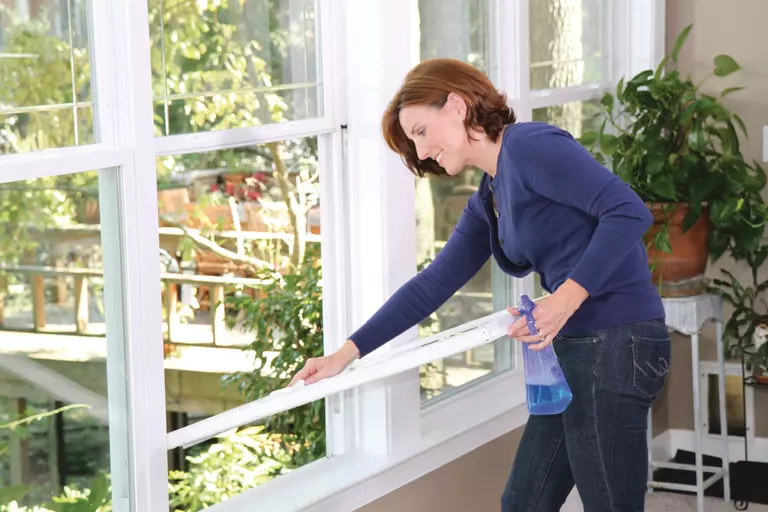
Double-hung windows are classic, popular choices for several great reasons. Take a look:
- Versatile ventilation: Since double-hung windows can be opened from the top or bottom (instead of only in one direction, like casement windows or single-hung windows), they offer lots of ways to let in air and light, boosting air circulation.
- Easy cleaning: Modern double-hung windows have sashes that can be tilted inside, letting you wipe down the glass with a minimum of effort. This can be very beneficial if your double-hung windows are a bit high on the walls.
- Cost-effectiveness: Double-hung windows are some of the more popular on the market, so they’re manufactured in large numbers – finding new ones for your home may not be difficult or expensive for your local window experts.
Double-hung window cons
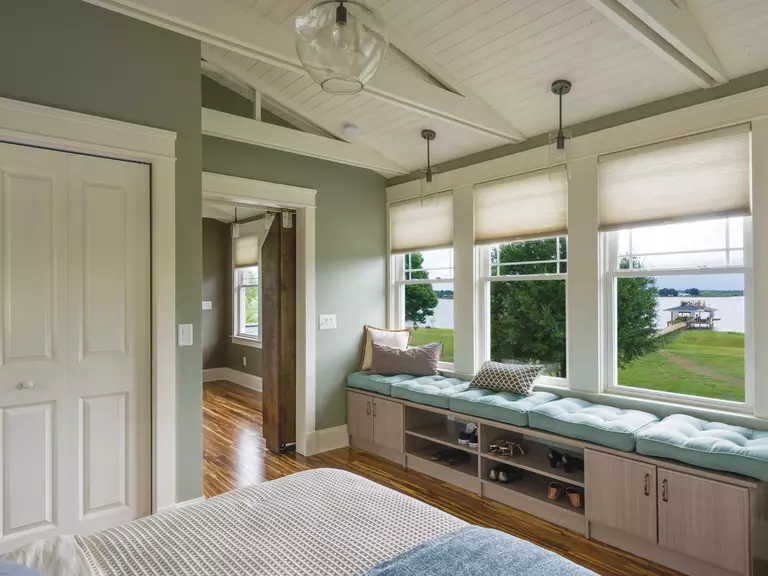
At the same time, double-hung windows have certain downsides to keep in mind.
- Air leak concerns: Since double-hung windows have several moving sections, they may not be as sealed – and, therefore, not as energy efficient – as casement windows or non-operable windows (like picture windows).
- Security weaknesses: Certain double-hung windows can be more easily opened from the outside, particularly if they aren’t fitted with special locks.
- More maintenance requirements: While they are easy to clean, many double-hung windows need additional maintenance compared to casement windows, such as sash lubrication or track cleaning.
Cost of casement windows vs. double-hung windows
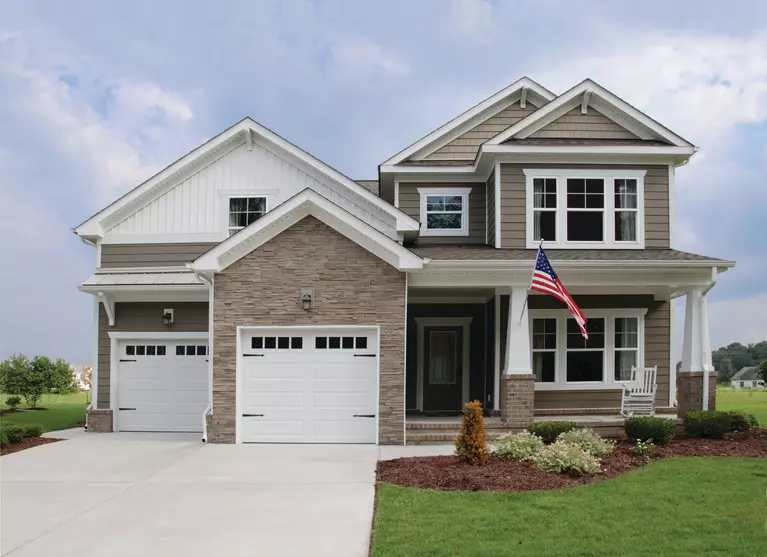
In general, casement windows tend to be close in pricing to double-hung windows. A basic double-hung window will likely have about the same unit price as a similar-size casement window. However, these prices can vary heavily depending on location, material costs, design, and which window company you work with.
In Tennessee, double-hung windows often win in the cost category, especially for larger renovations that demand lots of replacement windows. They're generally simpler to manufacture and install, and many homeowners appreciate the classic look at a more budget-friendly price point.
That said, casement windows are often cost-effective options for transforming a particular room while maximizing fresh air, natural light, and aesthetic appeal. To know whether casement or double-hung windows are best for your home improvement budget, get in touch with our local window design consultants and sign up for a consultation.
Are casement windows better than double-hung windows?
There’s not a one-size-fits-all answer – it really depends on what you’re prioritizing.
If you're looking for maximum energy efficiency, better airflow, and a sleek, modern appearance, casement windows may come out ahead. Their tight seals make them ideal for reducing energy costs, and the full opening allows for superior ventilation and light.
On the other hand, if ease of use, affordability, and traditional aesthetics are more important to you, double-hung windows might be the better fit. They're especially convenient for second-story rooms because you can tilt the sashes inward for easy exterior-side cleaning – a huge bonus if window clarity is a concern.
Schedule an in-home window design consultation
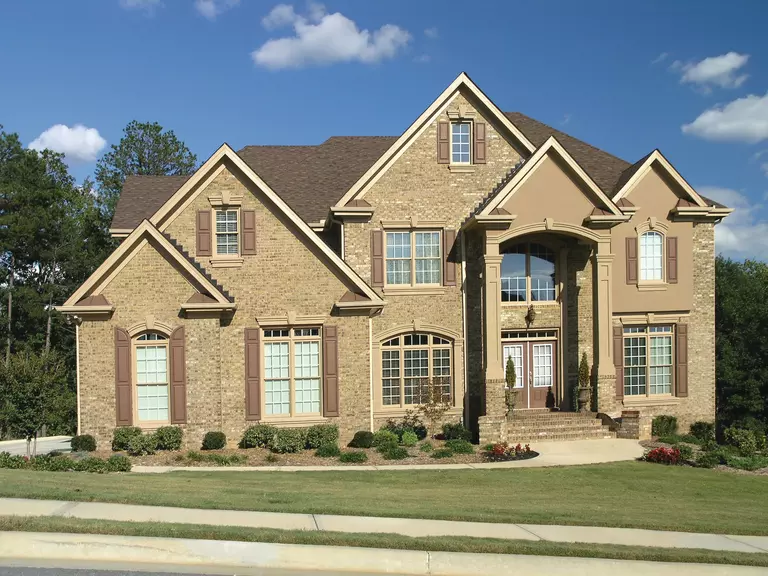
Ultimately, the best way to choose between casement or double-hung windows is to set up a window consultation with local experts. At Window World of Knoxville, we can help you consider your home’s layout, determine your budget, and discover all of your other needs to find the perfect window setup.
Whether you’re looking to install one type or a mix of windows, our experts are the ideal team to trust with your renovation from start to finish. Request a quote today or call our team at (865) 938-0314 to get started!