

 Back to Blogs
Do Your Windows Block UV Rays? How to Protect Your Home
When we think about sun protection, sunscreen and sunglasses typically come to mind. But what about your home? A surprising amount of ultraviolet (UV) radiation can penetrate through standard window glass, exposing your family and belongings to long-term sun damage.
Understanding how UV light works – and how to keep it from coming through windows – is key to protecting your health and home. In this article, we’ll answer common questions about ultraviolet rays, which windows block UV light, and how best to reduce your exposure indoors. Let’s dive in!
Why UV light through windows can be harmful, even indoors
You might assume you're safe from the sun once you step inside. But the truth is, that’s not entirely the case. UV exposure indoors may be lower than outside, but it still has an impact over time – and its effects are more widespread than most people realize.
Ultraviolet light, especially UVA rays, can travel through windows and affect both your skin and your surroundings. Here’s a closer breakdown of UV light’s effect on furniture and your skin.
Can you get sunburned through windows?
The short answer: It depends on the glass. Most standard windows block UVB rays – the main culprits behind sunburns – but still allow a significant amount of UVA rays to pass through. UVA rays penetrate more deeply into the skin and are primarily responsible for premature aging and increased risk of skin cancer.
So while you may not get a visible sunburn sitting by a window, that doesn’t mean your skin is really safe. Long-term UVA exposure contributes to cellular damage, pigmentation changes, and wrinkles, even from the comfort of your living room.
Furniture damage
UV rays don’t just affect your skin, either. They also wreak havoc on your home’s furnishings.
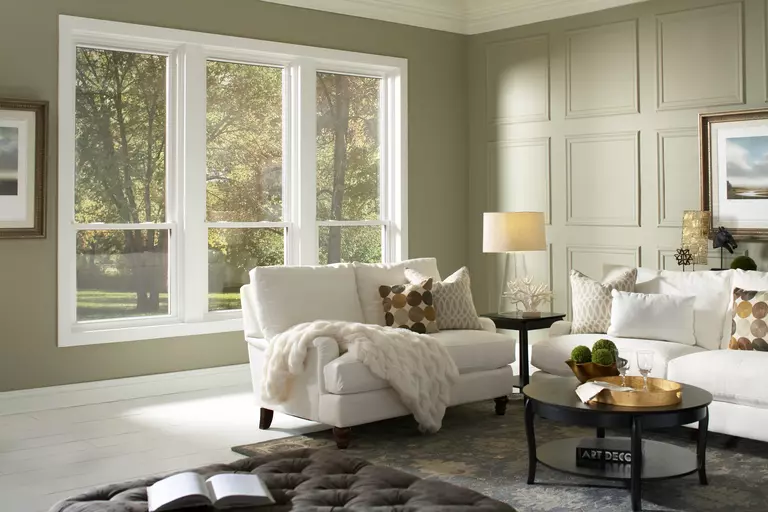
Ever wondered why that chair or couch near an old window fades over time, or noticed that one side of your couch looks more washed out than the other? It’s because prolonged exposure to UV light through windows can cause fabric to lose its color, leather to crack, wood finishes to dull, and even artwork to deteriorate. In other words, sun damage is to blame.
UV damage is especially pronounced in south- and west-facing rooms, where the sunlight tends to be most direct and intense. Over months and years, this exposure can quietly and gradually undermine the beauty and value of your home’s interior and your favorite furniture – unless you take steps to control it.
Ways to reduce UV light through windows
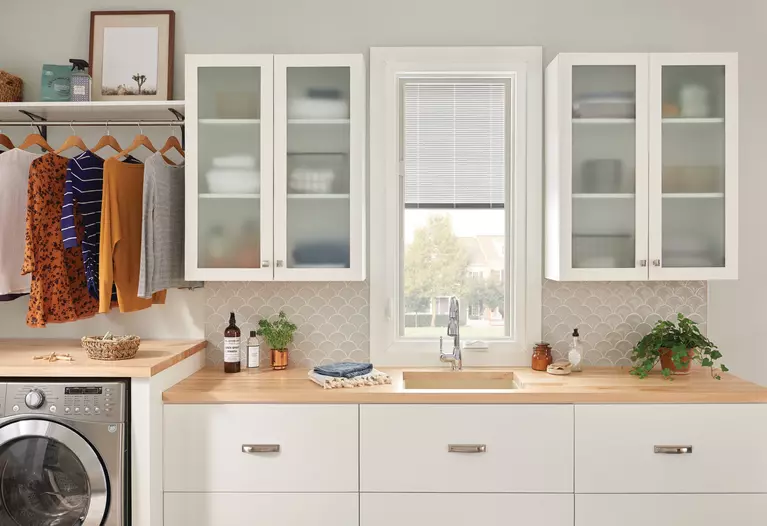
There are a few immediate ways to reduce how much UV light flows into your home, starting with window films and treatments.
Window films are one of the most accessible and cost-effective solutions. These adhesive layers can be professionally applied to your existing glass to block up to 99% of UV rays. They're available in clear and tinted options, offering flexibility in both appearance and performance. When other options aren’t available due to cost or time, they’re certainly better than nothing. Before applying a film, check your window’s warranty, as some are voided by the addition of this product type.
Curtains, blinds, and shades also offer valuable protection without risk to warranties. While they’re not as comprehensive as window film or Low-E glass (more on that below), they create a physical barrier that limits direct sunlight and UV penetration through windows. For the best results, pick tightly woven or blackout fabrics and keep them closed during peak sunlight hours (i.e., the middle of the day and early afternoon).
UV-blocking roller shades or solar screens are other excellent options. These are specifically designed to filter out UV radiation without completely darkening the room, letting you enjoy natural light without the harmful side effects.
All in all, layering these solutions – using a few of them at the same time or in combination – can significantly reduce your exposure and extend the life of your furnishings while keeping your indoor spaces cool and comfortable.
Do windows block UV light?
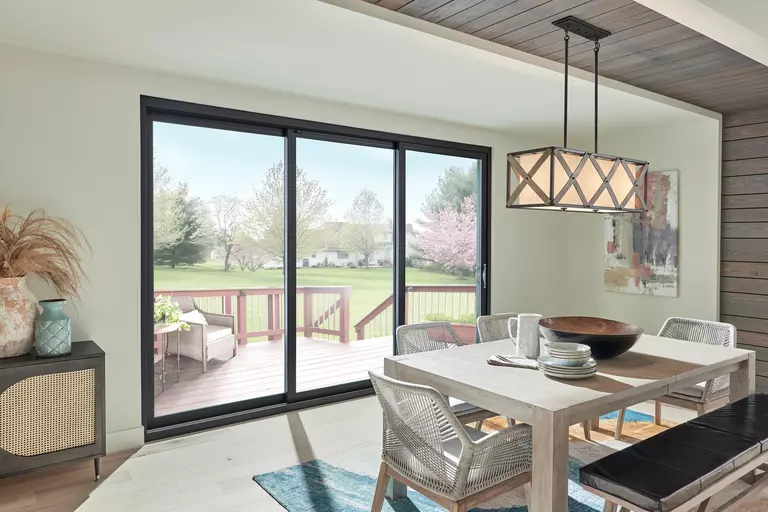
Of course, you can make it so your windows – the very things that let natural light flow in – block harmful UV light, protecting your furniture, carpeting, and skin all at the same time.
Not all windows are created equal when it comes to UV protection. Standard annealed glass (the kind found in many residential windows) blocks most UVB rays but lets up to 75% of UVA rays through. This means that while you're protected from burns, you're not fully protected from deeper UV damage.
What kind of glass blocks UV rays?
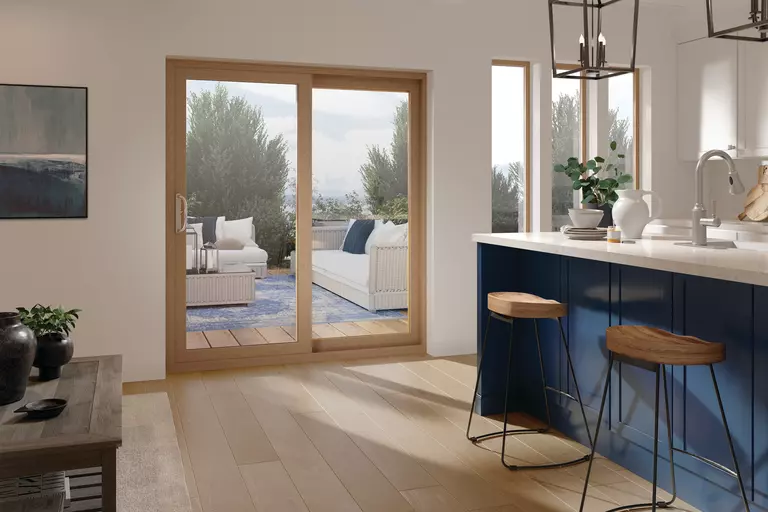
To effectively minimize UV exposure, you need windows made with specialized glass: specifically, low-emissivity (Low-E) glass.
Low-E glass has a microscopically thin, transparent coating that reflects UV radiation, heat, and infrared light. The coating doesn’t alter visibility, but it does dramatically reduce the amount of UV light that enters your home. In fact, high-quality Low-E glass can block up to 99% of UV rays.
Beyond UV protection, Low-E windows also help regulate indoor temperatures, making your home more energy efficient and comfortable year-round. It's a win-win for both your skin and your utility bill.
Fortunately, most new, energy-efficient windows are made with Low-E glass, plus other enhancements to further improve energy savings and comfort, like insulated gas layers and multiple glass panes. If your current windows don’t have Low-E glass, knowing when to replace them with modern vinyl products is a smart renovation in more ways than one.
Find windows that block UV rays at Window World of Knoxville
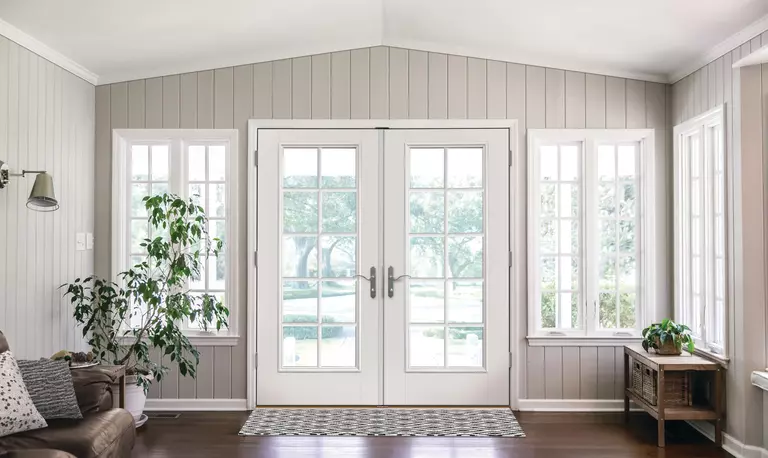
If you’re looking to upgrade to windows that block UV rays effectively, look no further than Window World of Knoxville. We offer expertly installed, UV-blocking windows that fit your style, budget, and performance needs.
Our window company is dedicated to helping homeowners in the Knoxville area make informed decisions about energy efficiency, sun protection, and overall home comfort. With a wide range of window styles – each featuring advanced Low-E glass – you can enjoy beautiful views and natural light without sacrificing protection when you contact us or visit our showroom.
Ready to get started? Request a free quote today or call us at (865) 938-0314 for your complimentary design consultation!