

 Back to Blogs
What Causes Condensation on Windows?: Tips to Help Prevent It

When you open the curtains in the morning or peek outside throughout the day, the last thing you want to do is have to squint through window condensation. Unfortunately, window condensation can form in winter and even all year round, though it’s most prevalent in the more extreme temperatures of winter and summer. Many Knoxville homeowners struggle with keeping condensation from forming on their home’s windows, especially since it seems to appear without a clear cause!
If window condensation is causing you headaches, you’re in luck. Read on to discover what causes moisture on the inside of windows, plus five ways to prevent condensation for good.
What causes condensation on windows?
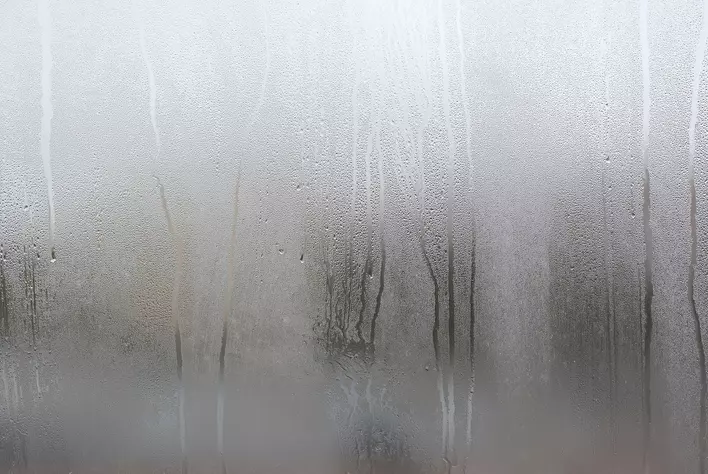
Condensation can crop up for a variety of different reasons, but the root is always the same: humidity. In a nutshell, if humid air hits the surface of something cold, like your window, the moisture in the humid air will condense onto that surface.
Let’s take a closer look.
Air temperature differences

Whenever the temperature of the air inside your home is different from the air outside, condensation on windows is a possibility (assuming that the warmer air is notably humid or wet).
For example, say that it’s winter, and it’s chilly and bone-dry outside. Indoors, however, temperatures are nice and toasty, and the humidity level is much higher. Condensation can appear on or between windows when cold air outdoors rushes over the comparatively warm surface of your panes.
The reverse process happens in summer. If the warm summer air is humid, and things are cool and dry inside, you’re more likely to see condensation on the outside of windows as warm air hits the cool glass surface.
Drafts from your windows
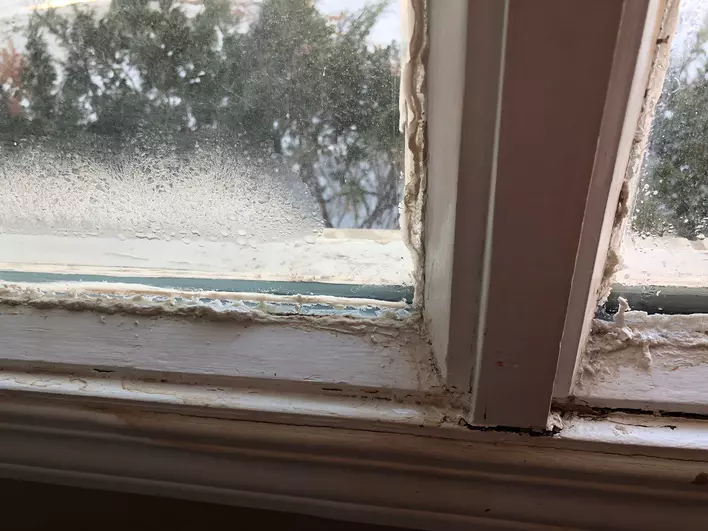
Condensation can also appear because of drafts from your windows. For instance, if one of your windows is very old and has warped or been broken around its frame, humid air can flow inside or outside. Of course, all that air rushing by has the potential to leave water droplets along the way!
Leaks in multi-pane windows
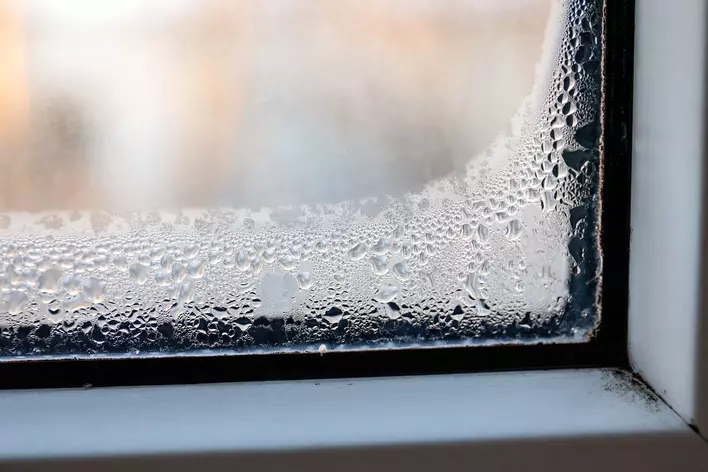
Many of the best modern windows have multiple panes of glass, complete with insulating gas like argon or krypton between them. Window World of Knoxville's double-hung vinyl windows are a stellar example of this design and its value.
But if you see condensation inside windows instead of on the outside surfaces, it usually means the glass seals have failed, letting air into those thin gaps where gas ought to be. That’s a surefire sign you need to get those windows replaced ASAP!
How to prevent condensation on windows in winter and beyond
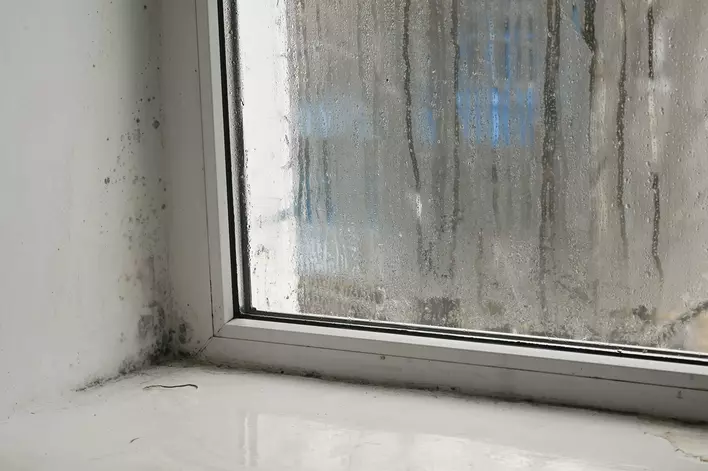
A little bit of condensation on your windows isn't much of a concern. But you don't want to leave condensation to collect for too long – it can make the area around your windows damp and hospitable to mold, for instance, or lead to puddles forming on windowsills or floors.
Fortunately, there are plenty of clever methods to prevent window condensation that you can use, depending on where the problems in your home come from.
1. Get a dehumidifier

If you see condensation on the inside of your windows all the time, you can tackle the problem by getting and using a dehumidifier near the affected windows. A dehumidifier will suck away extra moisture from the air in its immediate area. Then, even if the air inside your home stays warm, it won't have as much water content and won't create condensation on your cold windows. This is an especially good trick in winter when internal condensation is more likely.
2. Use fans frequently
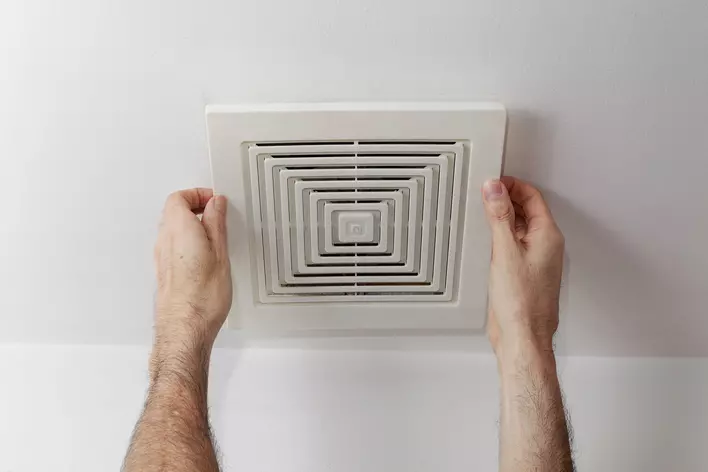
You’ve probably noticed that certain rooms are more likely to be humid – and their windows are more likely to be slippery with condensation! Your bathrooms, your kitchen, and your laundry room are just a few examples.
If possible, use fans in these rooms frequently. The fans circulate air and prevent moisture from coalescing on all surfaces, including your windows. Say you take a shower and turn up the heat. Instead of letting the steam stick around, run the fan the entire time so the room stays as dry as possible.
3. Open the windows (when appropriate)

Opening your windows when the temperature is nice outside can be a good way to circulate fresh air and equalize the humidity levels between the air inside your home and the air outside. If there isn't much of a difference in humidity or temperature, you probably won't find condensation appearing anywhere, either.
Naturally, this is only a real solution at certain times of the year, like spring and fall. But it's still a good way to stop condensation from appearing if there's nothing wrong with your windows!
4. Keep your curtains open

Many Knoxville homeowners keep their curtains closed at night for privacy. Unfortunately, this can also stop windowpanes from being warmed up in the winter. That makes curtained windows’ glass surfaces much colder, causing condensation to appear.
If you keep your curtains open, your windows will be warmer, so it’s less likely that you’ll see condensation come morning.
5. Install new energy-efficient windows
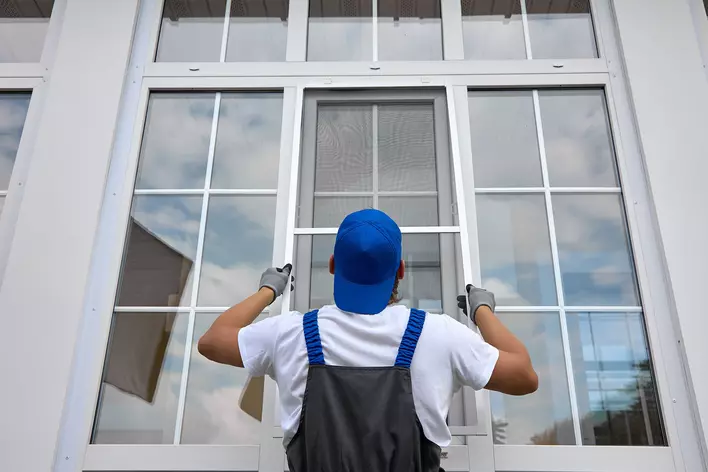
If your windows’ condensation is due to cracks in their pane seals, frame warping, or some other structural problem, the only long-term solution is energy efficient window replacement. New multi-pane windows from the right brands could reduce or even outright eliminate your condensation complaints instantly – assuming they’re installed with good glass seals, of course.
Contact Window World of Knoxville to tackle foggy windows for good
When you go with windows from Window World of Knoxville, each unit is ENERGY STAR certified and designed with perfectly sealed twin panes of glass. Even better, Window World windows are also available in a variety of styles and shapes.
In the end, new energy-efficient windows with perfectly sealed panes of glass are practically un-foggable. What's more is that new windows from Window World of Knoxville can boost your home's curb appeal, lower your energy bill, and more!
Why wait? Contact us today or visit Window World of Knoxville’s showroom to speak to a specialist and learn more about keeping condensation off your windows.